Video: Recording 'The Past Has a Life in the Forest'
Recording with cellist Jo Quail in Epping Forest’s Queen Elizabeth’s Hunting Lodge
Below is a short video of me recording ‘The Past Has a Life in the Forest’ in Epping Forest’s Queen Elizabeth’s Hunting Lodge. This work is track 6 on the album/sound installation and is inspired by the Iron Age hillfort Loughton Camp. (See my blog post about the history of Loughton Camp).
You can order the album and the graphic score that we are performing from on my Bandcamp page.
Many thanks to cellist Jo Quail for helping me bring this work to life, and to Ryan Pearce (videographer) and Thom Ashworth (recording engineer).
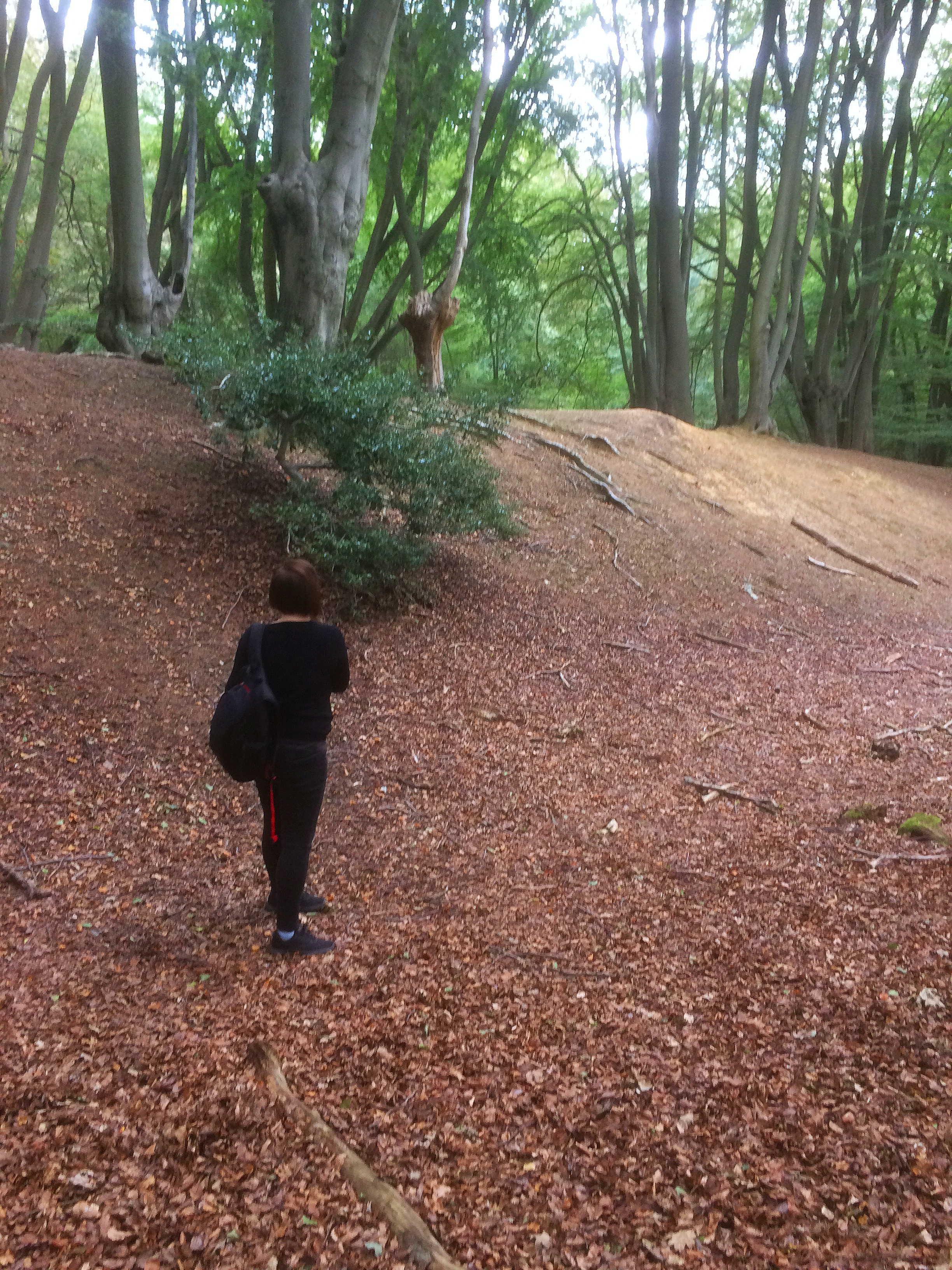
The Loughton Camp map, drawn by BH Cowper in the late 19th century was a graphic score waiting to happen, and the forest location is perfect for a bit of psychogeographic pondering. The hillfort has distinct archaeological features; the earthwork ditches and banks are still prominent, as are the entrances. Silt can be found in the soil where a spring used to be. Then there’s the folklore: the supposed location of Turpin’s cave and the strange form of old pollarded trees, lopped by the billhooks of 19th century ‘commoners’. All these layers of the past add to the spirit of the place today.
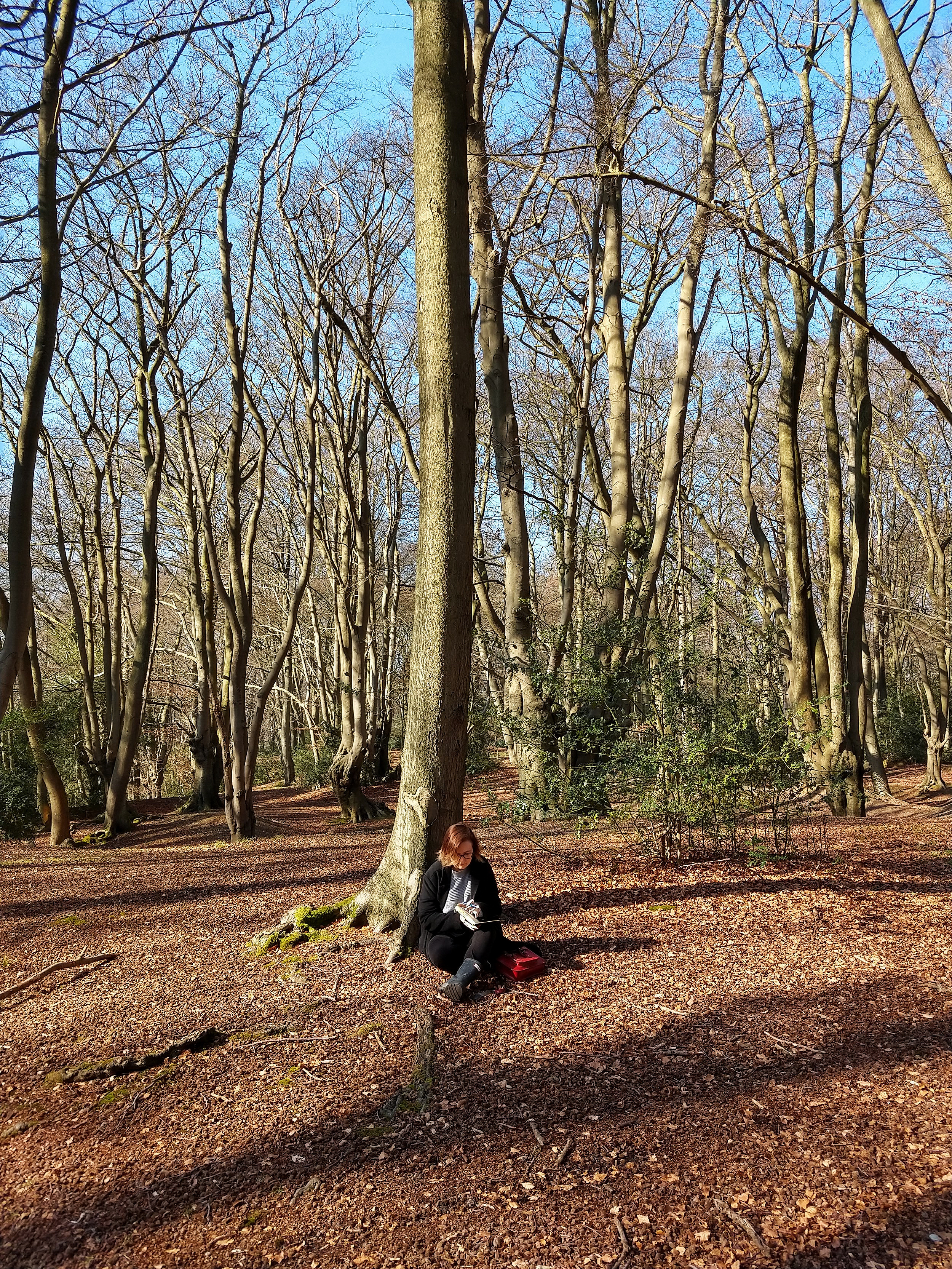
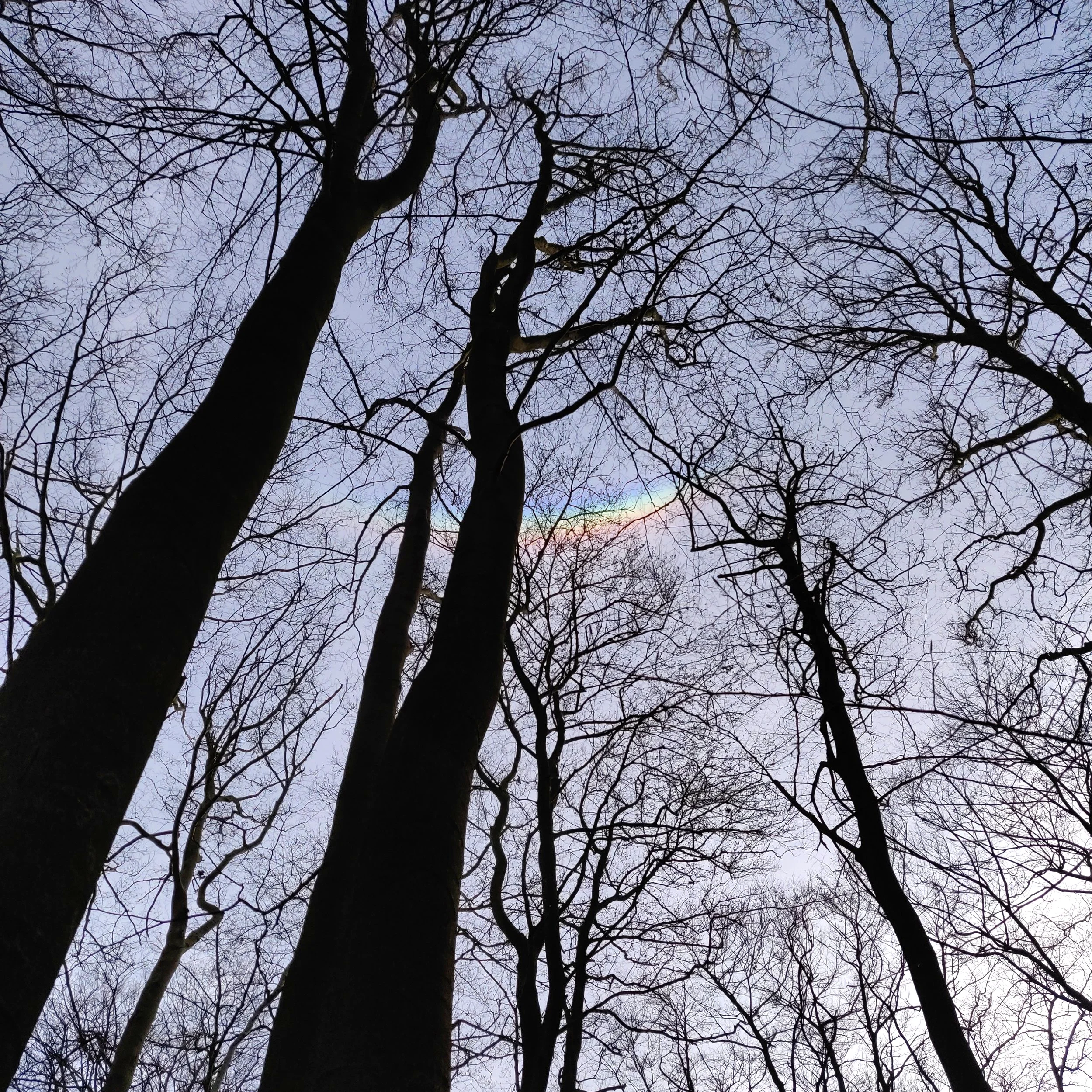
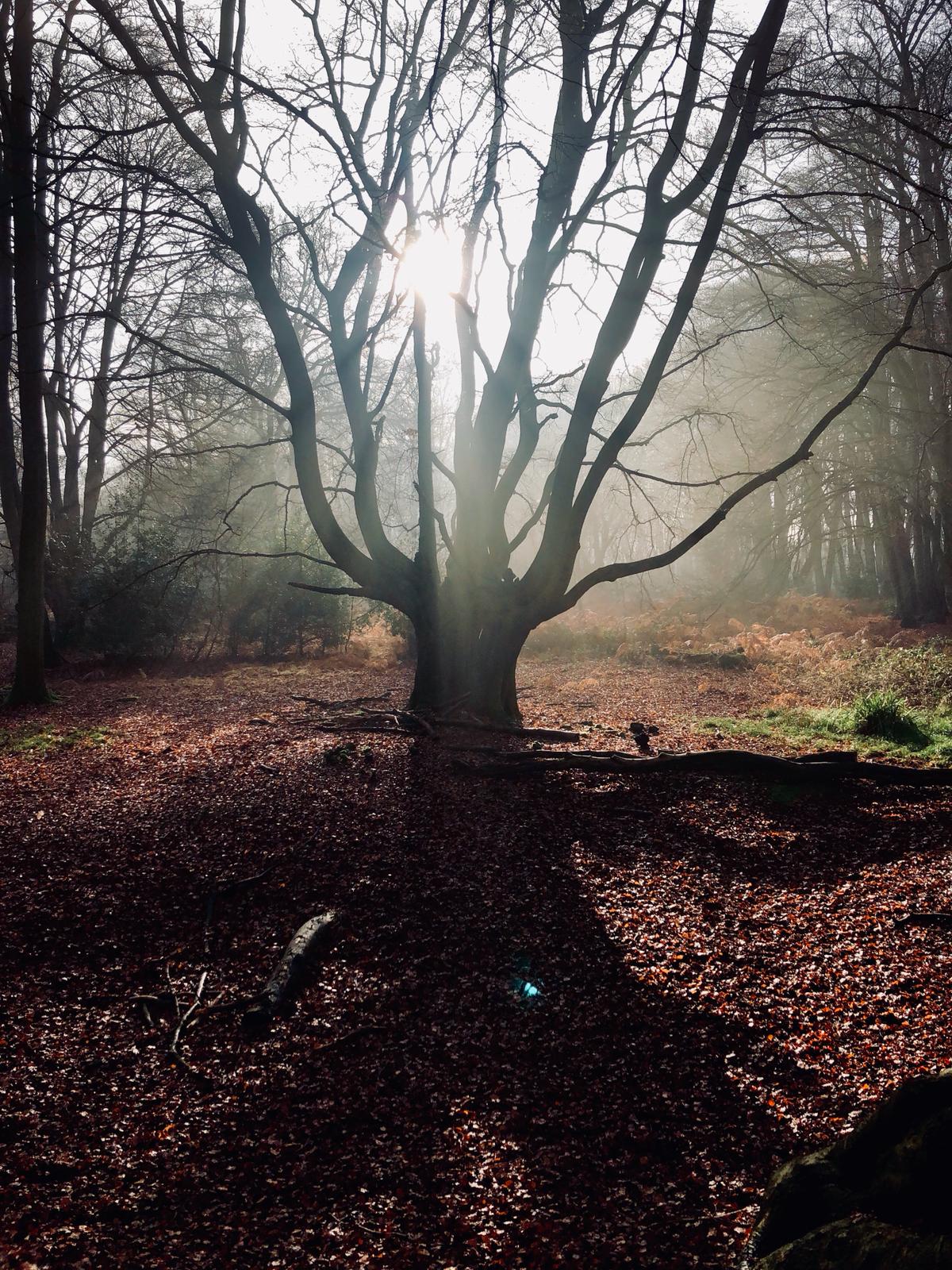
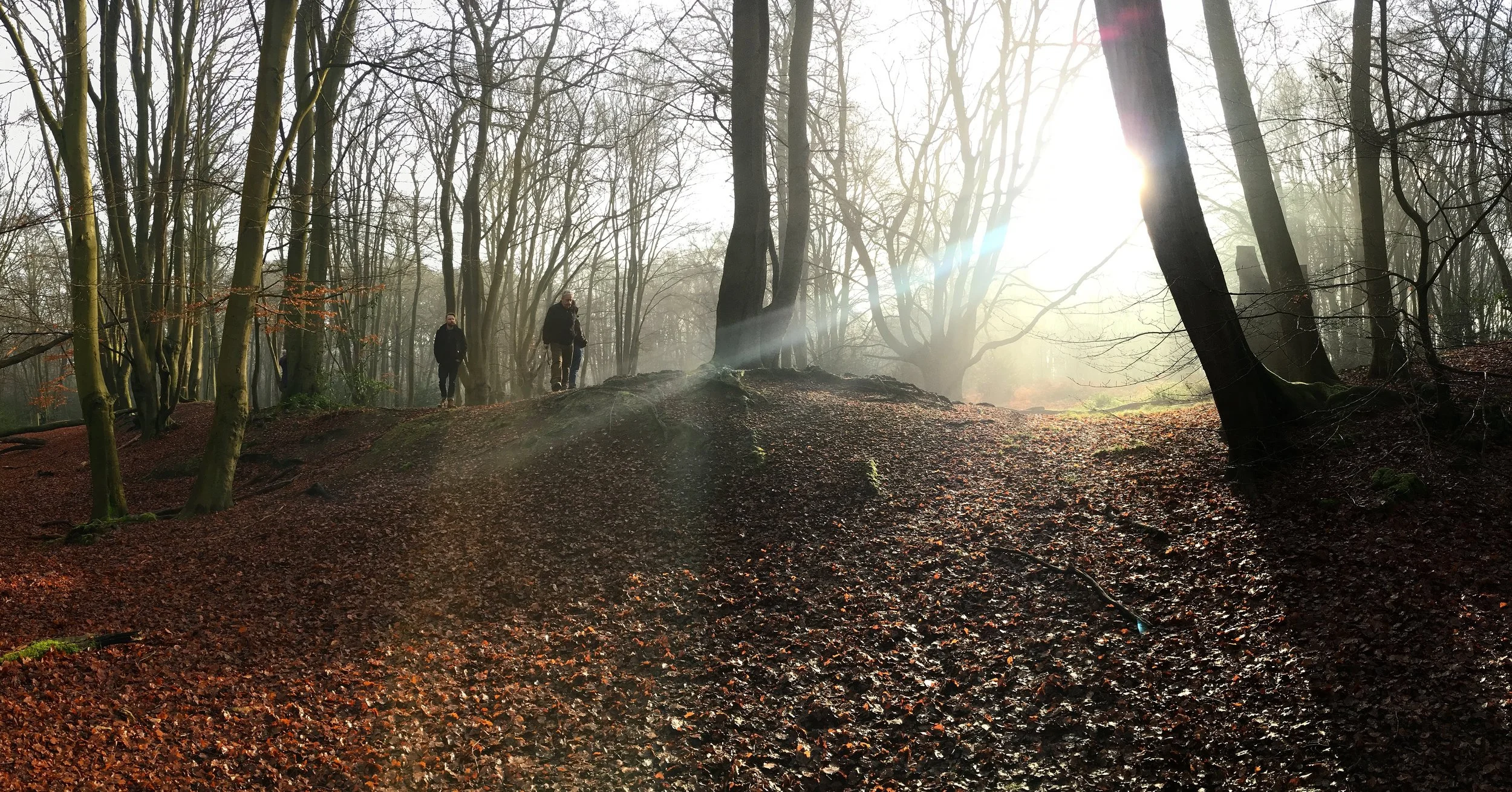
There’s a magical, hazy light that appears through the trees on the east side of the camp, and long shadows of branches that stretch claw-like along the forest floor. The colour palette is silver, bronze, brown and green, and the sounds are of aeroplanes, birds, children playing on their bikes and the distant hum of the M25. All of these things have been absorbed into Part II Ancient Earthworks. The graphic score is split into eight sections (From the ground – Shadow claws – Hazy light – Streamlet – Pollarded trees – Forest floor – Turpin – Into the ground) each with a different sound world that relates to a particular area of the camp.
There are two song extracts, no. 5 ‘Pollarded trees’ is a fragment taken from The Lopper and the Landgrabber and for Turpin’s Cave I’ve used the melody from folk song Turpin Hero. The work is written for electric violin and electric cello plus effects, and was recorded live in Epping Forest’s Queen Elizabeth’s Hunting Lodge in 2019.
Iron Age earthworks in Epping Forest
The first in a series of blogs exploring the history of Epping Forest.
“The Past has a life in the forest. Nowhere is it easier to imagine the long pageant of history”

#1 Grimsbury Castle (Iron Age Hillfort in West Berkshire)
Loughton Camp is one of the most magical places in Epping Forest. One of two Iron Age earthworks in Epping Forest (the other, Ambresbury Banks, is situated a little further North), it is thought to have been built around 500BC and used by the neighbouring Trinovantes and Catuvellauni tribes to hold livestock and as a place of refuge. By the time Julius Caesar led the Roman invasion in 55AD, the Trinovantes were considered the most powerful Celtic tribe in Britain, teaming up with Boudica and the Iceni during the uprising against the Romans in 61AD. Although excavations have proven Romans were in the forest, the legend that Ambresbury Banks was the location of Boudica’s defeat has been dismissed by historians.
Loughton Camp is hidden off the beaten track in Great Monk Wood, on the edge of a high ridge approximately 110m above sea level. It is now densely wooded, but the 10 acre camp would have been built there as a great viewpoint. The banks would have been 3 metres high and the ditches surrounding them 3 metres deep. Image #1 shows how a hillfort built around the same time might have looked.

#2 Loughton Camp Map (drawn by BH Cowper C19th)
Fast-forward over 2000 years and Loughton Camp is also said to be where highwayman Dick Turpin had his hideout in the 1700s. Such was Turpin’s notoriety in the area that many Loughton residents built ‘Turpin Traps’, wooden flaps at the top of the stairs that wedged between floor and ceiling keeping them and their valuables safe - a sort of C18th panic room! Nowadays the forest is thick with trees right up to the edge of the roads, but back then they were kept clear to prevent robbers like Turpin from lying in wait to ambush unsuspecting carriages.

#3 Loughton Camp c1885
I find it fascinating to think of all the people who have stood on the site of this camp before me, their stories embedded in the spirit of the place. Even in the short period of 130 years the area has changed. See in photo #3 how open the space is, with lots of fox and rabbit burrows, versus in #4 how tall hornbeams surround the area cathedral-like today.
If you want to go and explore for yourself, here are the directions on the Epping Forest website
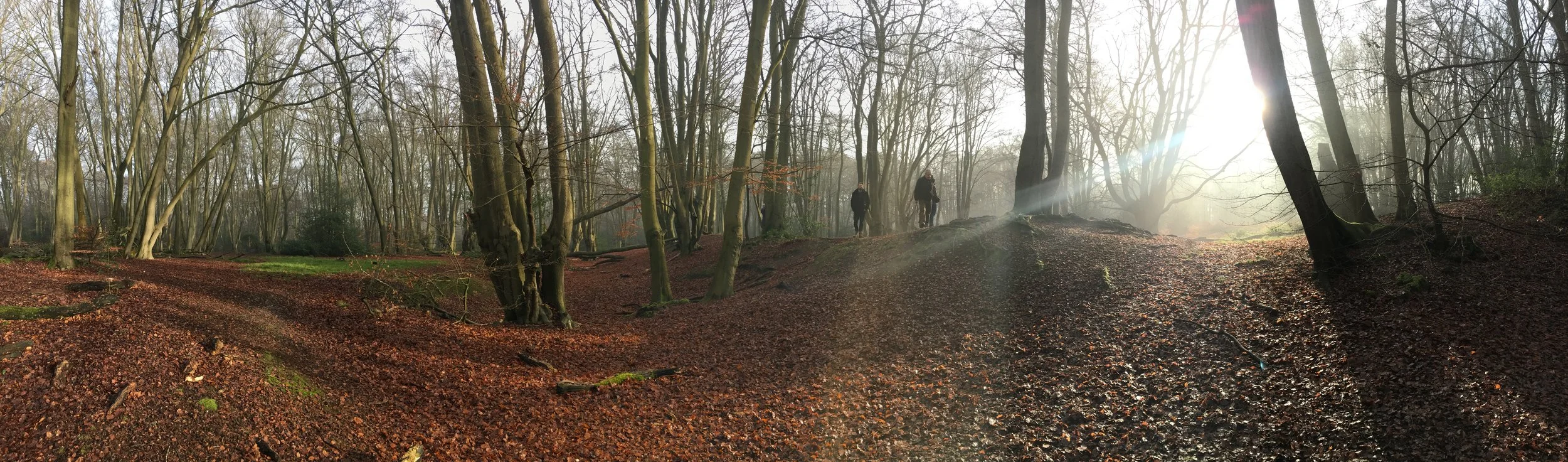
#4 Loughton Camp Dec 2018 with the family