New single: Delta + Music Video
Music video for new single Delta
Delta is the second single from my solo album Memory Islands, released on Bigo and Twigetti 29 September.
Ellie says “Delta was created entirely on my violin with pizzicato chopped up and spread across drum sample pads, allowing me to play patterns that wouldn’t have fallen naturally under my fingers. It was inspired by my father’s recovery from a coma after a cardiac arrest (he thankfully made a full recovery). As his brain fired up, memories were replayed as if happening for the first time, then filed away in the right places. In Delta, I was thinking about the electrical pulses that transmit this information around the brain. Memories returned slowly at first but then the floodgates opened. It reminded me of a TV documentary I’d seen where a dried-up riverbed filled with water after a monsoon; the water found its way through all the previously carved chasms and cracks in the bed (not dissimilar to the grooves on the surface of a brain) and then into a large river.”
The music video was made by my brother Mark Wilson. He explains the techy stuff much better than me …
“The animation in this music video is the output of custom developed Python code. The application samples audio chunks of Delta in real-time and evolves and adapts the evolution and appearance of lines, intersecting triangular formations and background gradients in response to pre-defined grouped frequency band intensity thresholds. Due to an element of randomness in vector calculation, the line animation will evolve differently each time the application is executed, so this video represents one of many possible interpretations of the audio stream.”
Download/stream single: https://bfan.link/ew-delta
Album CD/DL/Stream: https://bfan.link/memory-islands

New single: Unnamed Unseen + Music Video
Music video for new single Unnamed Unseen
Unnamed Unseen is the first single from my solo album Memory Islands. Written for Hardanger fiddle and electronics, it is inspired by a line from Robert Macfarlane's book Landmarks about nature words falling out of our language. “Once they go unnamed they go to some degree unseen. Language deficit leads to attention deficit.”
The music video was made by Marry Waterson, woven with hand painted film and drawing on themes of nature and fading/lost memories.
Download & Stream single: https://ffm.to/unnamed-unseen
CD/DL/Stream album: https://bfan.link/memory-islands

New Album: Memory Islands (released on Bigo & Twigetti)
New album available to preorder 1 September 2023
My new album Memory Islands is available for preorder today (1 September) on the Bigo and Twigetti label. Available on CD and via all download and streaming platforms.
The music on the album - written for violin, hardanger fiddle and electronics - explores the strange landscape of memory and the spirit of place. The sound world a mixture of experimental soundscapes, drones, and contemporary classical but punctuated with melodic/folky lines on the violin.
It includes a recording of my grandfather reminiscing about his experiences and lost years as a Navy seaman in World War II (By the Time I Got Back Pt 1); along with pieces inspired by the how the brain reboots after waking from a coma (Delta), a line from Robert Macfarlane’s book Landmarks about nature words falling out of our language (Unnamed Unseen) and a quote from the 1984 film 2010: The Year We Make Contact in the moment the onboard computer HAL 900 confronts his digital ‘mortality’– all memories erased (Will I Dream?).
Most of the sounds heard on this album are created from the violin (sampling, processed through effects, detuned, extended techniques).
Singles:
September 1st - Unnamed Unseen
September 15th - Delta
September 29th - By The Time I Got Back, Pt. 2 (Focus Track)

Cover artwork by Janaina Mello Landini

New Release on Accidental Records
A short piece for violin and electronics is released on Accidental Records.
A new work of mine for violin and electronics is released today on Accidental Records. The compilation called Antechamber Music features music by a fantastic selection of experimental artists and is available on limited edition cassette (with glittery tape!), download, and streaming.
The piece is an shortened version of an unreleased track Will I Dream? which gets its title from a quote from Peter Hyam’s sequel to the Kubrick classic 2001: A Space Odyssey. The moment the onboard computer HAL confronts his digital ‘mortality’ – all memories erased. It has an unsettling sound world with lots of space between the notes to create a sense of void. Most of the sounds you hear have originated from the violin, manipulated through FX pedals (including the TC Helicon VoiceLive) and computer processed effects.

Singing with Nightingales
A duet with a nightingale for Earth Day 2021.
Here's last night's broadcast for #earthday #singingwithnightingales. It's a beautiful listen from start to finish but this link drops you in straight at my little piece for hardanger fiddle called Unnamed/Unseen.
Produced by the Nest Collective and hosted by folk singer Sam Lee this free audio broadcast, live on YouTube, takes you on a journey into the woods of Sussex to hear the unforgettable song of the nightingale.


New Release - Dominion of the Sword: Henry VI and Richard III
EP featuring selected incidental music and speeches from Shakespeare’s Globe 2019-20 productions of Henry VI and Richard III
This time last year I was frantically writing music for Shakespeare’s Globe 19/20 productions of Henry VI and Richard III. Working long hours with a bunch of inspiring colleagues to create something I was proud to be a part of. It all feels so removed from the world we currently find ourselves in.
This new release is a celebration of what we acheived and has been specially created to support Shakespeare’s Globe at this difficult time, with all proceeds donated to their unique theatres and education facility. #supporttheartsUK
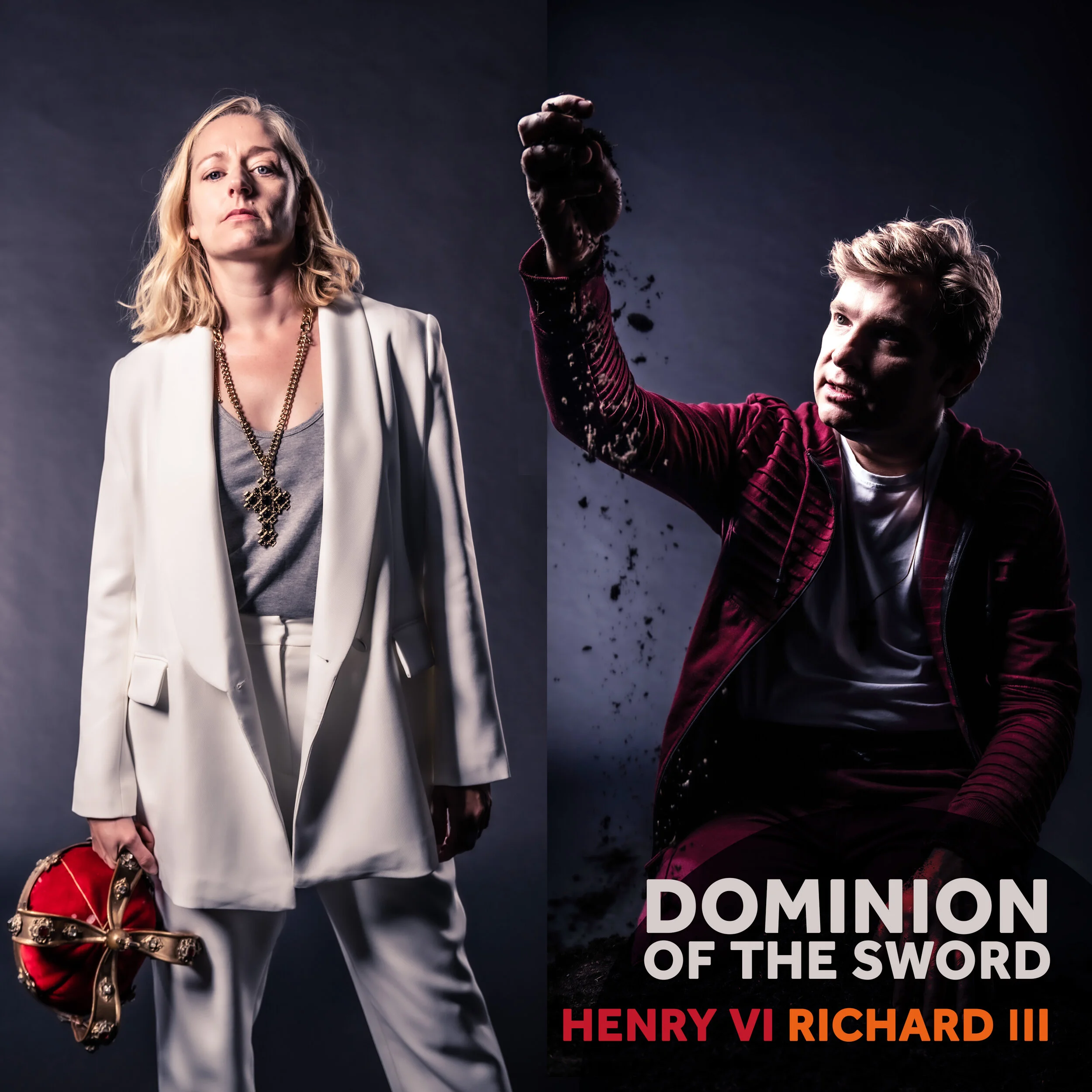
Photo: Sophie Russell (Richard III) and Jonathan Broadbent (Henry VI): (c) Marc Brenner
Dominion of the Sword: Henry VI & Richard III
elliewilson.bandcamp.com
Release date: 6 November 2020 CD I DL + Booklet PDF
This EP features a selection of incidental music along with speeches by some of the Globe Ensemble actors, plus a specially written booklet note by Shakespeare's Globe research assistant Hailey Bachrach.
The music was hailed as ‘impressive … this season’s most memorable’ (Fringe Review) and described as ‘melt[ing] seamlessly into the drama’ (The Guardian) and ‘tonally akin to a Scorsese film’ (What’s On Stage).
Folk songs Adieu to Old England and Dominion of the Sword rub shoulders with 1960s country-rock hit For The Good Times which becomes an ironically haunting theme song for Richard III himself, accompanying his murders as a symbol of his world’s growing desensitisation to violence; and closing number, When the Roses Bloom Again. These are stitched together with cinematic underscoring, creating a doom-laden, unsettling world as the plays become more bloody and horrific.
“By pulling songs from across time we sought to explore how Shakespeare’s vision of a troubled, chaotic England spoke not just to his time or to our own, but could represent the wide and messy history of the whole nation.”
Tracklisting:
1 Henry VI ‘Was ever king that joyed an earthly throne / Woe above woe’
Jonathan Broadbent (Henry VI - Part II, Act IV Scene IX / Part III, Act II Scene V)
2 Dominion of the Sword
3 York ‘Now, York, or never, steel thy fearful thoughts’
Colin Hurley (Henry VI - Part II, Act III Scene I)
4 Henry VI ‘This battle fares like to the morning’s war’
Jonathan Broadbent (Henry VI - Part III, Act II Scene V)
5 Doom Adieu
6 Clifford ‘Here burns my candle out; ay, here it dies’
Nina Bowers (Henry VI - Part III, Act II Scene VI)
7 Adieu to Old England
8 Queen Margaret ‘What, were you snarling all before I came’
Steffan Donnelly (Richard III - Act I Scene III)
9 For the Good Times
10 Richard III ‘Give me another horse! Bind up my wounds!’
Sophie Russell (Richard III - Act V Scene III)
11 When the Roses Bloom Again
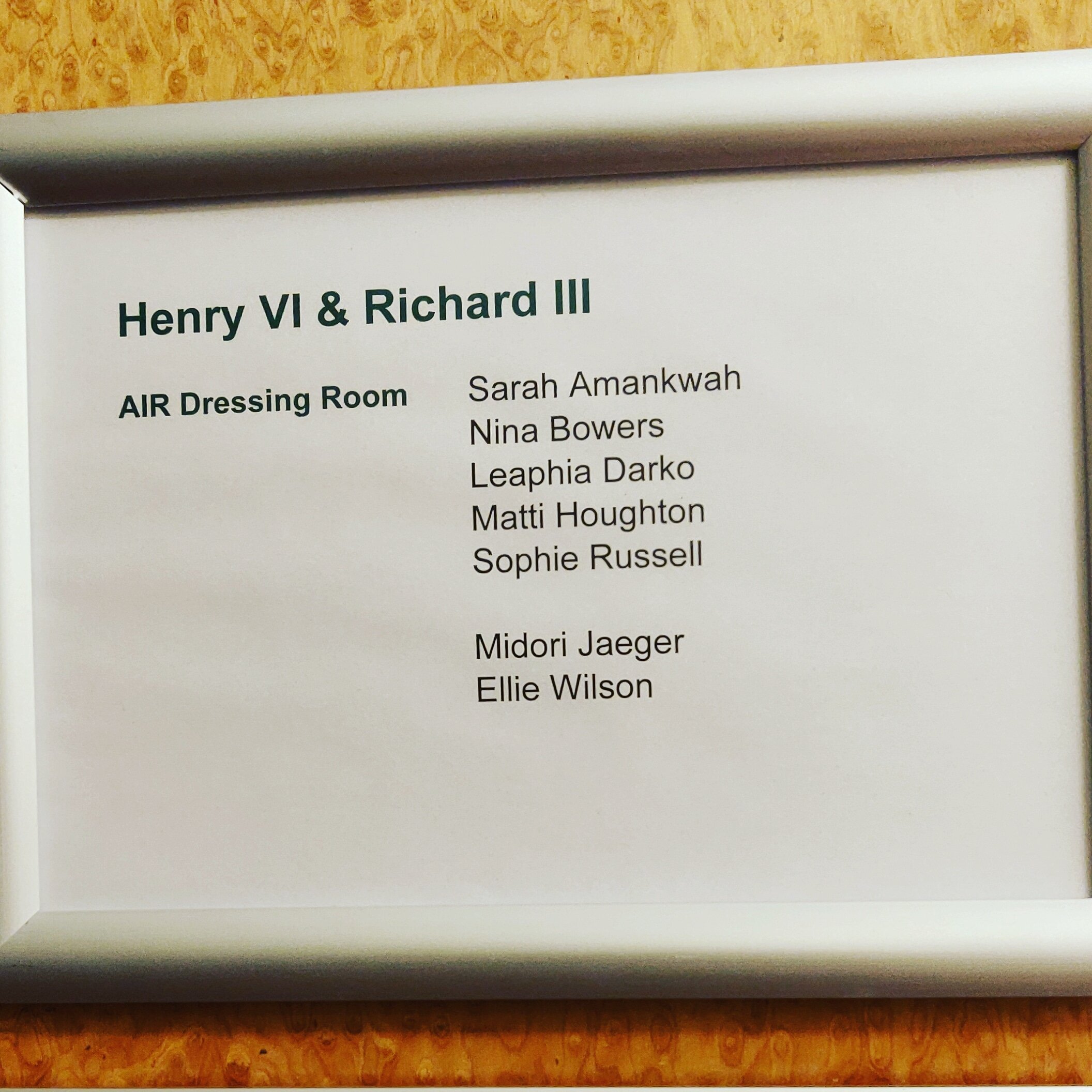
Globe Ensemble Actors: Nina Bowers, Jonathan Broadbent, Steffan Donnelly, Colin Hurley, Sophie Russell
The Globe Band (Bastard Feudalism):
Ellie Wilson violin, saw, vocals
Thom Ashworth lead vocals, percussion, guitar, mandolin
Jay Chakravorty piano, harmonium, guitar, EBows
Midori Jaeger cello
All music written/arranged by Ellie Wilson
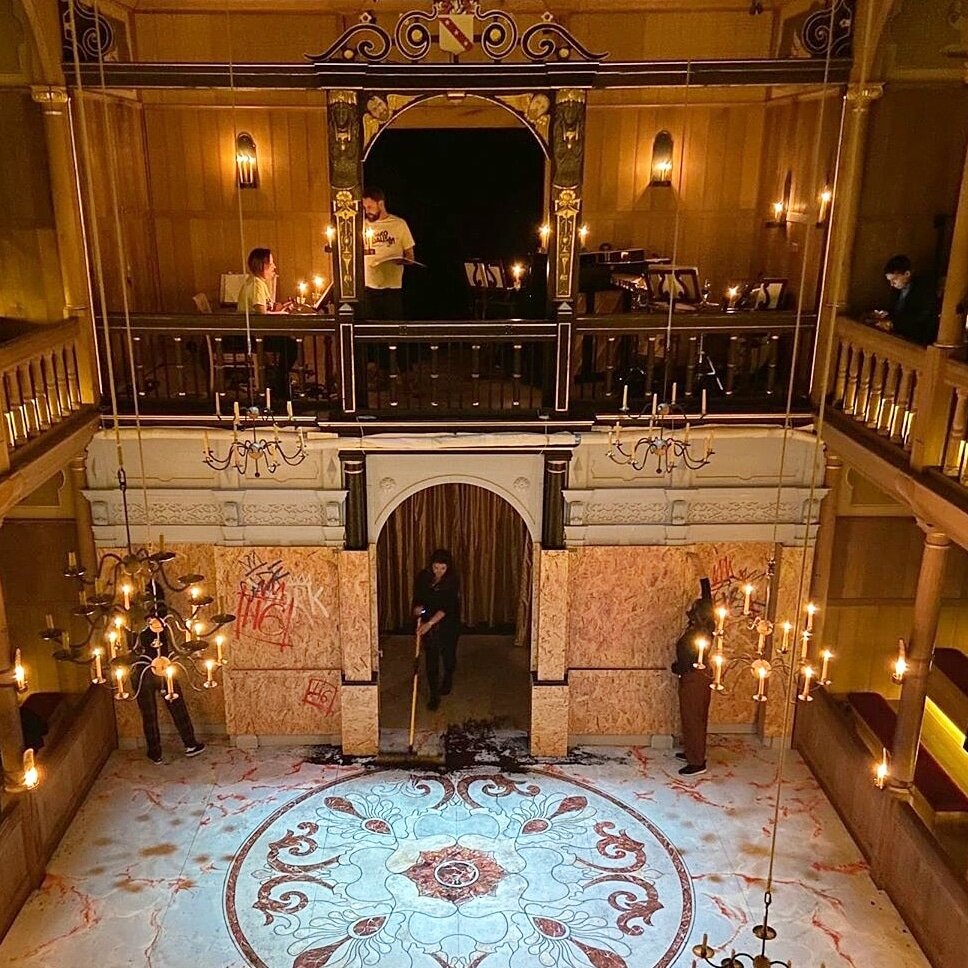
Music recorded in the Sam Wanamaker Playhouse, Shakespeare’s Globe, London, December 2019
Speeches recorded in actors’ homes 2020
Edited and mixed by Thom Ashworth
Mastered by David Lefeber
℗ & © 2020 Ellie Wilson
Shakespeare’s Globe is an independent charity that receives no regular government subsidy and generates 95% of its income from theatre tickets and other on-site activities. Due to the 2020 pandemic, it is losing nearly £2 million a month. They need support more than ever to get through this most challenging time.
This release has been specially created to support Shakespeare’s Globe, with all proceeds donated to their unique theatres and education facility. It is available from my Bandcamp page only. elliewilson.bandcamp.com

New work for pianist Rolf Hind
My new solo piano work for Rolf Hind to be premiered at Kings Place, London.
Waiting was written in May 2020 for pianist Rolf Hind as part of his Lockdown Miniatures project. A short piece to reflect the times we were facing early 2020 during the global pandemic, and also a personal reflection as i'd just discovered I was pregnant.
I’m delighted it is getting its premiere at London’s Kings Place, Wednesday 6 October 2020. A rare concert with an actual audience!
Tickets: www.kingsplace.co.uk/whats-on/classical/rolf-hind-is-it-too-soon-to-talk-about-all-this/
You can watch Rolf Hind play it here www.facebook.com/583299409/videos/10158829562029410/
If you fancy playing it, i’ve made the sheet music available in my shop elliewilson.bandcamp.com
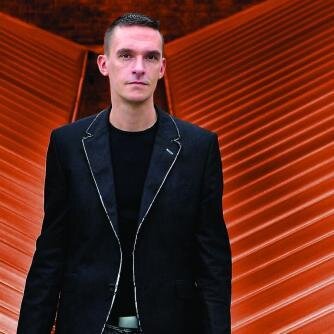
Rolf Hind

Colin Riley's Lost Engines (Ellie Wilson Remix)
A remix for composer Colin Riley’s Re-Place Project 2020.
Lovely to be asked by composer Colin Riley to remix a track from his album In Place. I picked Lost Engines, which is a celebration of our industrial heritage. It is built around a folk song called The Old Miner and I cheekily added a few extra things (drums & violins) to create a big anthemic feel. Have a listen …
Re-Place
Due to social distancing and self-isolation, our sense of place has taken a hit in recent weeks. But living in isolation has also started to make us all think differently, not just about the fragilities of our world but also about our need to be connected to it, and to each other. Normality may be something we don’t return to, or even wish to return to, and there is a growing sense that so many things might realign in the future.
With this in mind I’ve started Re-Place, a set of remixes of the songs from my 2018 project In Place and a chance to form a community of online creativity during this strange period we all find ourselves in. Nothing too serious. The idea is very much that any of the shared elements of the original audio can get mashed up into a new alignment. No rules. No expectations. A straight-forward celebration of our connectedness.
The remixes will be uploaded as they get created. Enjoy.
Colin Riley (Artistic Director, Re-Place)
In Place is a gathering together of feelings, associations, geographical details, regional identities, dialects, place names, personal memories, imagined routes, and historical connections featuring words by writers including Robert Macfarlane, Jackie Morris, Richard Skelton and Autumn Richardson. For more info about this fascinating project visit Colin’s website.
All the remixes can be found on Soundcloud

Shakespeare Sonic Stories
Check out these beautiful audio maps for Richard III and Henry VI

sonic Story: Henry VI
A wonderful visual representation of Shakespeare’s Globe 2019 production of Henry VI.
It includes excellent descriptions of my music like 'ominous’ and ‘menacing’ and is a great overview of the structure of the play and how my score weaves through it.
It was designed for Shakespeare’s Globe by Dr William Renel, Director of Research (Touretteshero) and was created for the Relaxed Performances, so that audiences with aural sensitivity were aware of the louder parts.
I love it!
See Sonic Story for Richard III below …

Sonic Story: Richard III

Creating a doom-laden, unsettling world for Richard III & Henry VI
Piece for Shakespeare’s Globe about the process and inspiration for music in Henry VI & Richard III
English identity is complex. Our history books are full of stories of the ruling classes: Kings, Queens, and Empire. But what about everyone else? Where are the stories of ordinary men and women? Shakespeare touches on this in Henry VI in the poignant scene following the Battle of Towton - the personal tragedies of a father who has killed his son and a son who has killed his father give us a chance to reflect on the absurdity of war. Towton was the bloodiest battle on English soil - 50,000 soldiers died, and all because two families were fighting for control of the throne.
As a musician with a foot firmly planted in the traditional folk world, stories and music go hand in hand. Don’t get me wrong, the history of the War of the Roses and the web of deceit and betrayal between the Lancasters and Yorks is fascinating, but folk music allows us to glimpse into the life and thoughts of the common man and women. That scene in Henry VI was the catalyst that led me to select the main theme for Henry VI, a broadside ballad called Law Lies a-Bleeding popularised by English folk musician Martin Carthy in his arrangement Dominion of the Sword. The anti-war ballad was written during the English Civil War, about 50 years after Shakespeare’s first performance of Henry VI!
“Conquers the crown too, grave and the gown too
Set you up a province, but it’ll pull it down too
No gospel can guide it, no law decide it
In church or state, till the sword sanctified it”
I'm also very drawn to the idea that places hold traces of past events and this is reflected in a lot of my music so I was excited to discover that I've been walking across the site of St Paul's Cross (outside St Paul's Cathedral) each day on my way to The Globe. This is where the sermon towards the end of Act III of Richard III took place, when Richard was declared rightful heir to the crown due to the supposed illegitimacy of Edward IV’s sons.
The two plays, Henry VI and Richard III, run chronologically, and it was important this was reflected in the music. The Dominion theme and folk song Adieu to Old England appear in various guises throughout both plays. Working with the wonderful Globe Ensemble throughout the rehearsal process allowed me to try out music and songs with the actors and they embraced learning about and singing the folk songs I brought to them.
The overall soundworld of Henry VI combines folk music with cinematic underscoring, creating a doom-laden, unsettling world as the play becomes more bloody and horrific. I particularly enjoyed creating these moods and atmospheres. I normally use electronics in my music so the challenge in the amplification-free zone of the Sam Wanamaker Playhouse meant that I had to think of ways to create similar textures with acoustic instruments. An acoustic guitar set up on its back with a pair of EBow plus a musical saw create a bed of droney wooziness that runs under many of the dreamscapes & ghost scenes. Extended techniques on cello, violin, and prepared piano make it discordant and unsettling – I was going for that horror movie soundtrack vibe!
As we approach the end of Henry VI, we start to get glimpses of what to expect in Richard III. Without giving the game away to those of you who haven’t seen the plays yet, the protagonist leaves his mark on everything around him, including the music, which takes a U-turn in Richard III as we enter a surreal Lynch/Tarantino world where brutal violence is juxtaposed with upbeat music. As Richard loses his grasp on power, the folk music begins to return.
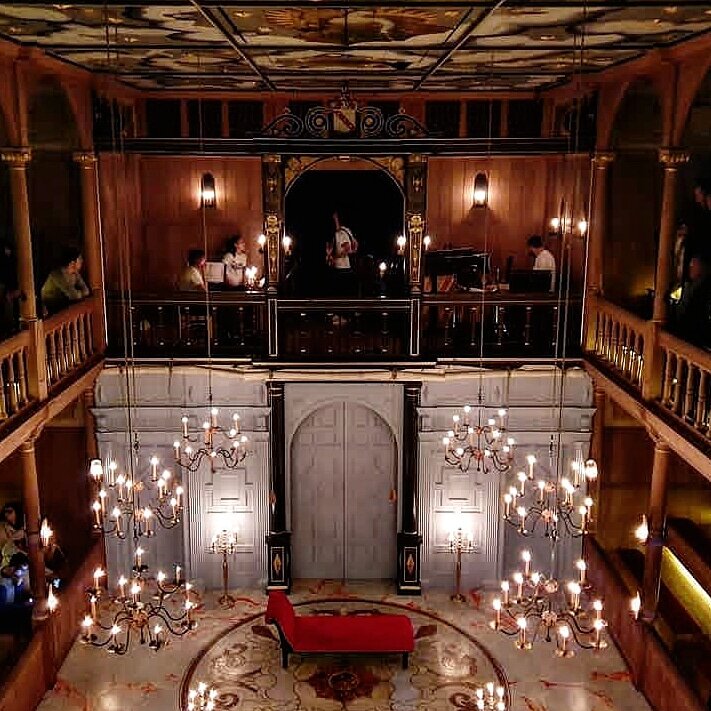
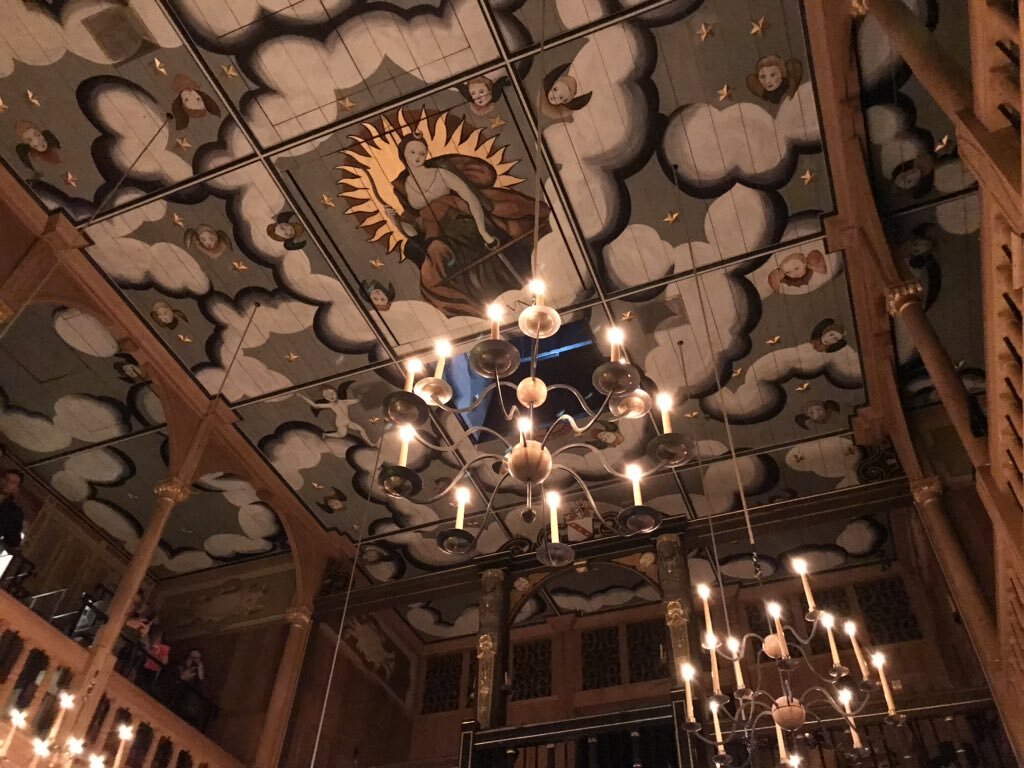
Being part of a creative team means that you are just one cog in the wheel: direction, design, costume all feeds into the music and vice-versa, and takes you in directions you really weren’t expecting at the start. To write music for theatre, you need to be able to turn your hand to almost anything musically and as you get closer to the previews, you find yourself writing bits on the spot. Keeping up with the pace of changes once rehearsals get into the performance space is a real challenge, but one that that has been incredibly rewarding. Playing live in the band each night has been an added bonus. Every performance is different, and finding subtle variations and tweaks to how we’re playing the music has been a real joy. You can’t help but be inspired by the evocative surroundings of the candle-lit Playhouse - I’ll be sad when the run comes to an end!
This blog was written for Shakespeare's Globe website blog
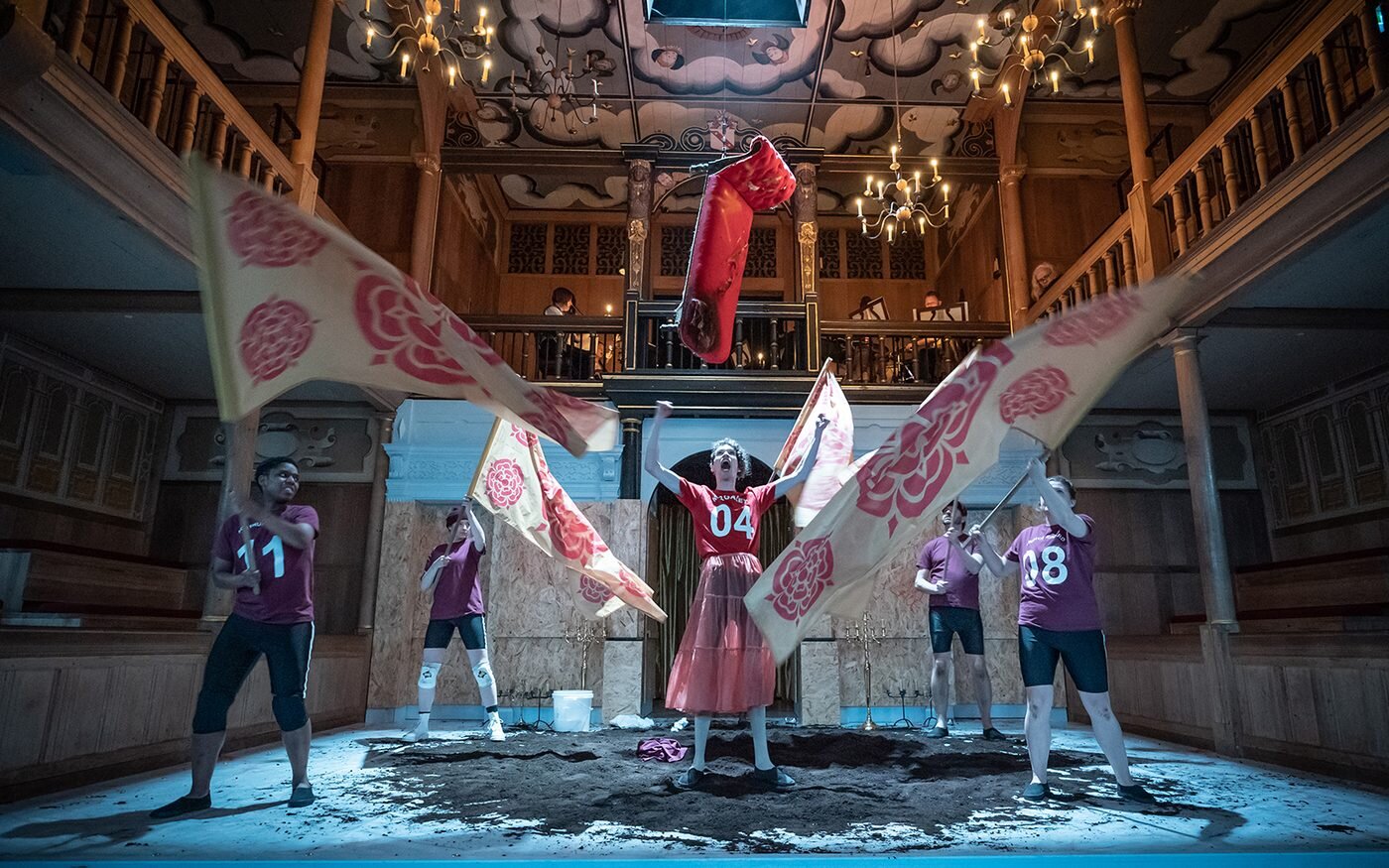
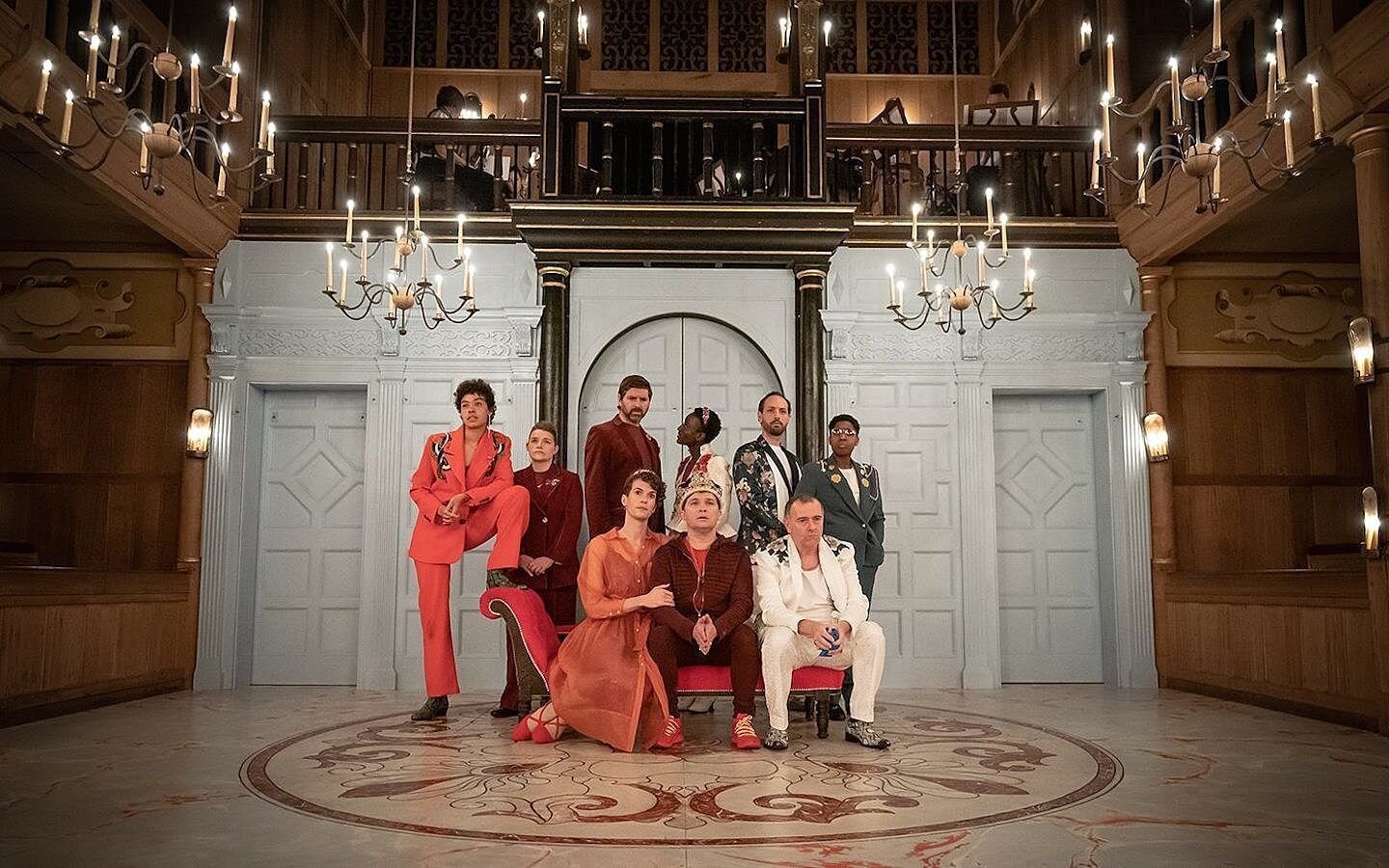
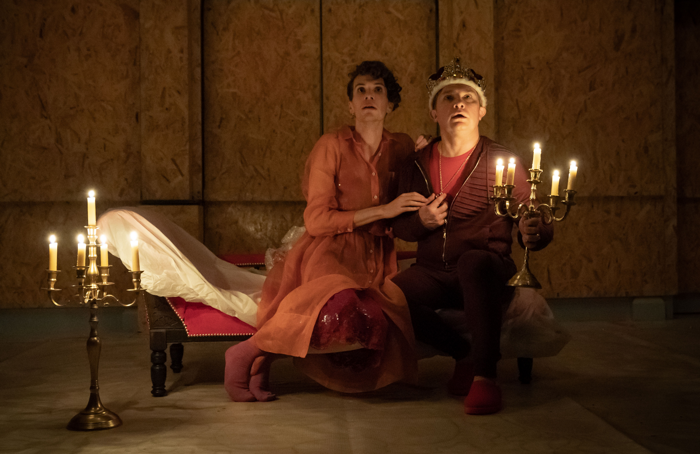
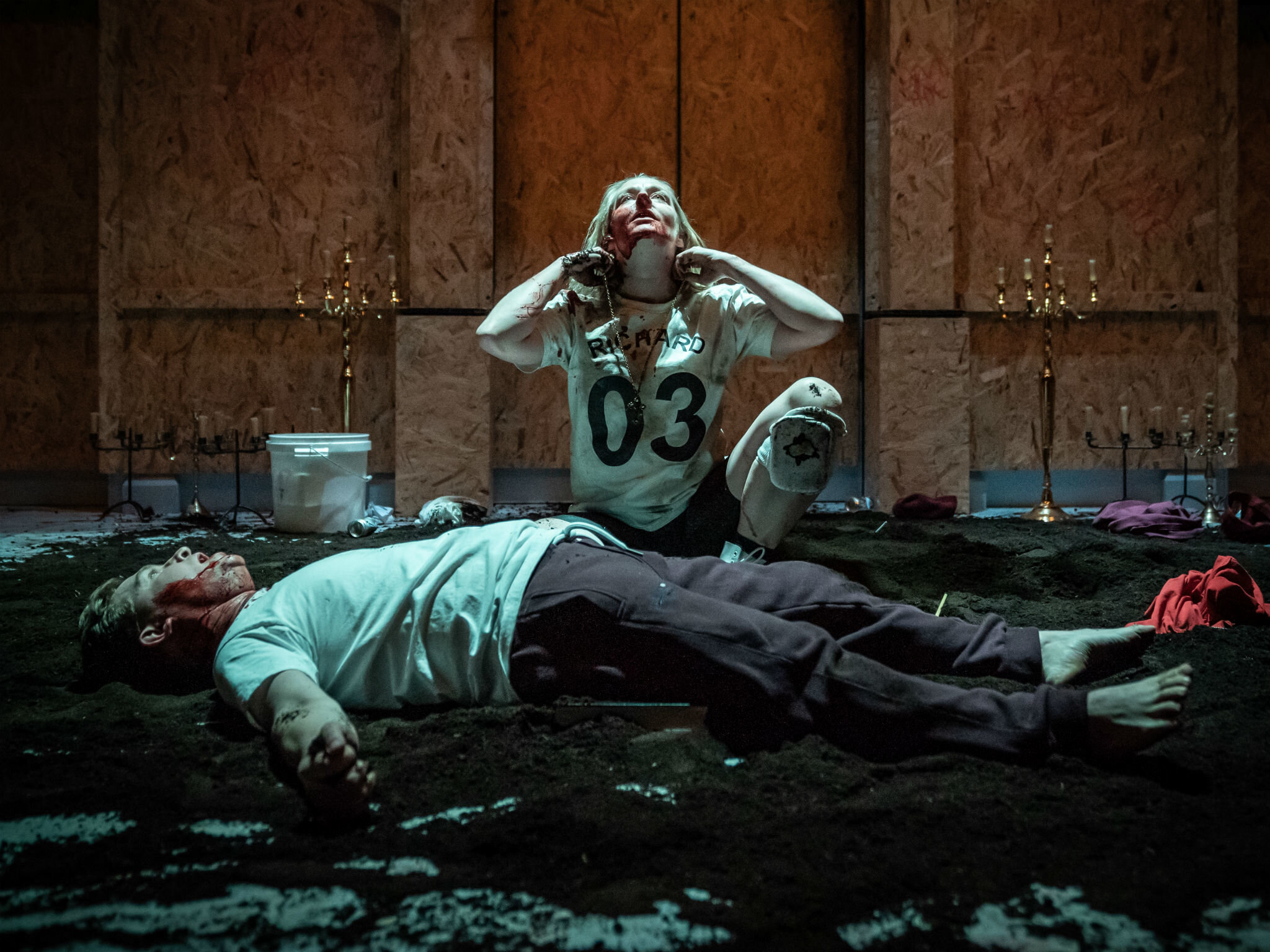
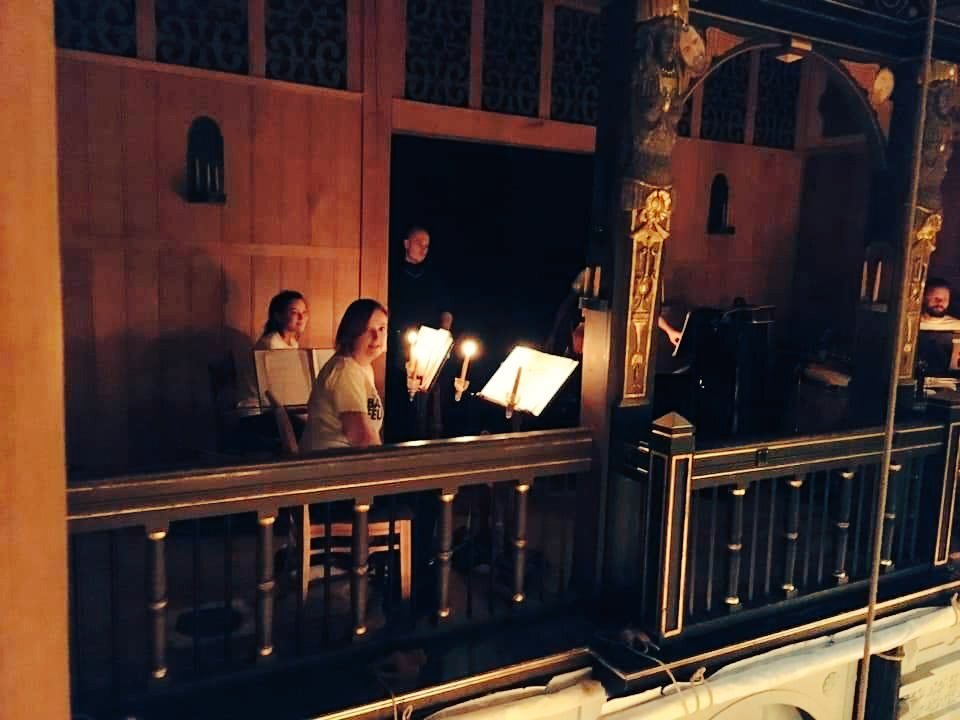

“Ellie Wilson composes the score, with haunting solo vocals and an impressive set of themes that make it this season’s most memorable.” – Fringe Review
“The music lends an uncanny atmosphere throughout, especially from the saw and violin (both played by Ellie Wilson)” – Broadway World
“The brilliant band melts seamlessly into the drama.”- Guardian★★★
“Music feels tonally akin to a Scorsese film – extreme violence enacted to a soundtrack and choreography that belie such evident rage … the music is strong and Ellie Wilson's use of the saw lends a great deal of tension to the play's darker moments.” – Whats On Stage ★★★
‘Each death is brought about by such wanton savagery and set so perversely to upbeat music that it is difficult to know whether to laugh or cry .. Moments of gravity are supported by a cold filmic undertone of music that gives the scene a chilling feel’. - DrownedStage
“The production’s use of music was witty and oftentimes hilarious” - Stamped on the Atmosphere
“The juxtaposition of the song ‘For the Good Times’ with the brutality being performed on stage has echoes of the postmodern jukebox soundtracks of Quentin Tarantino” - ‘Action is eloquence’: (Re)thinking Shakespeare
“Breezy songs soundtracking grisly killing; we feel the thrill of all this amoral bravado, but see its awful impact too. These liberty-taking, lacerating exercises in black comedy put Shakespeare’s history plays into the present tense.” The Times ★★★★

BBC Radio 3 Music Matters Interview
I was interviewed by BBC Radio 3 Music Matters last week about Shakespeare and Epping Forest
Listen to me chatting to Tom Service about writing music for Shakespeare’s Richard III and Henry VI at The Globe, and about my Epping Forest artist residency. https://www.bbc.co.uk/programmes/m000bmbw


Video: Recording 'The Past Has a Life in the Forest'
Recording with cellist Jo Quail in Epping Forest’s Queen Elizabeth’s Hunting Lodge
Below is a short video of me recording ‘The Past Has a Life in the Forest’ in Epping Forest’s Queen Elizabeth’s Hunting Lodge. This work is track 6 on the album/sound installation and is inspired by the Iron Age hillfort Loughton Camp. (See my blog post about the history of Loughton Camp).
You can order the album and the graphic score that we are performing from on my Bandcamp page.
Many thanks to cellist Jo Quail for helping me bring this work to life, and to Ryan Pearce (videographer) and Thom Ashworth (recording engineer).
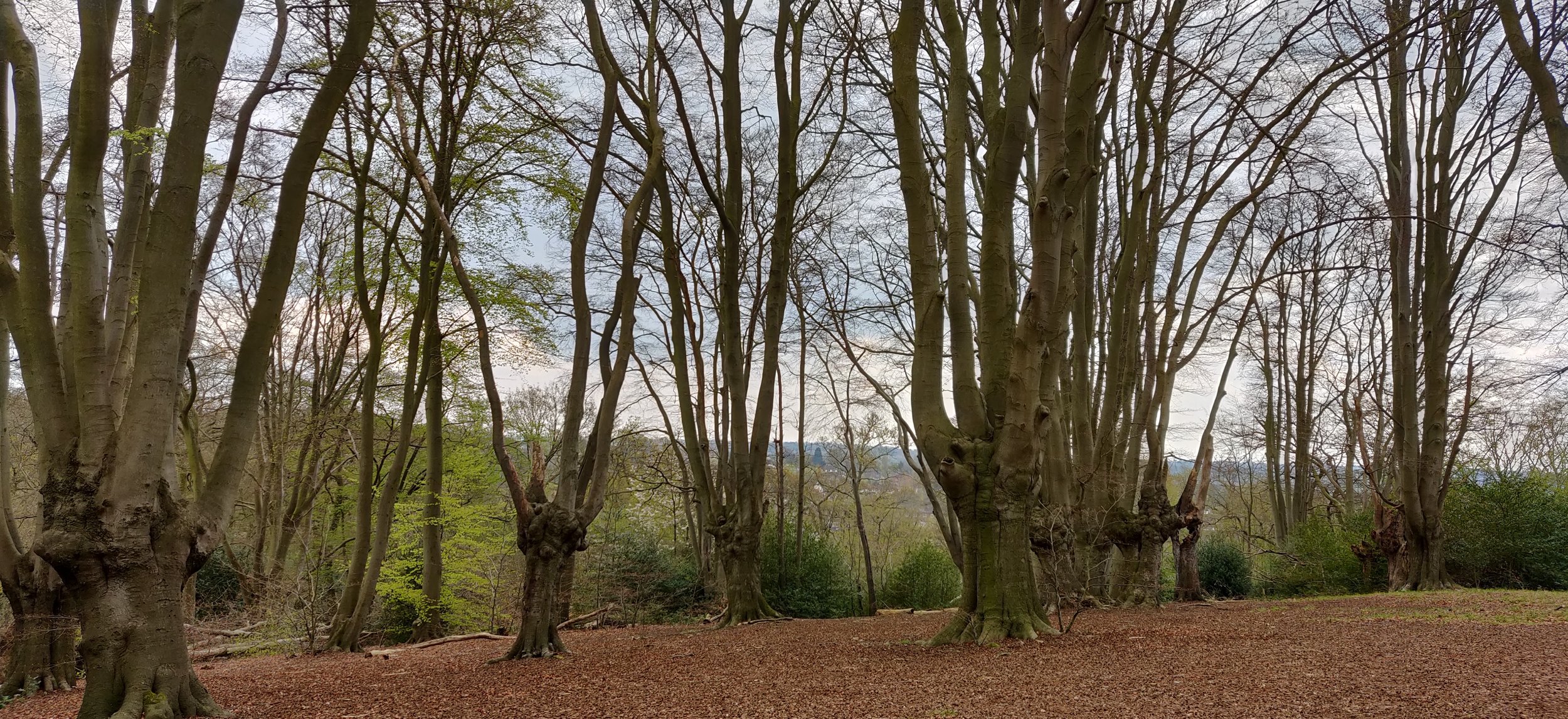
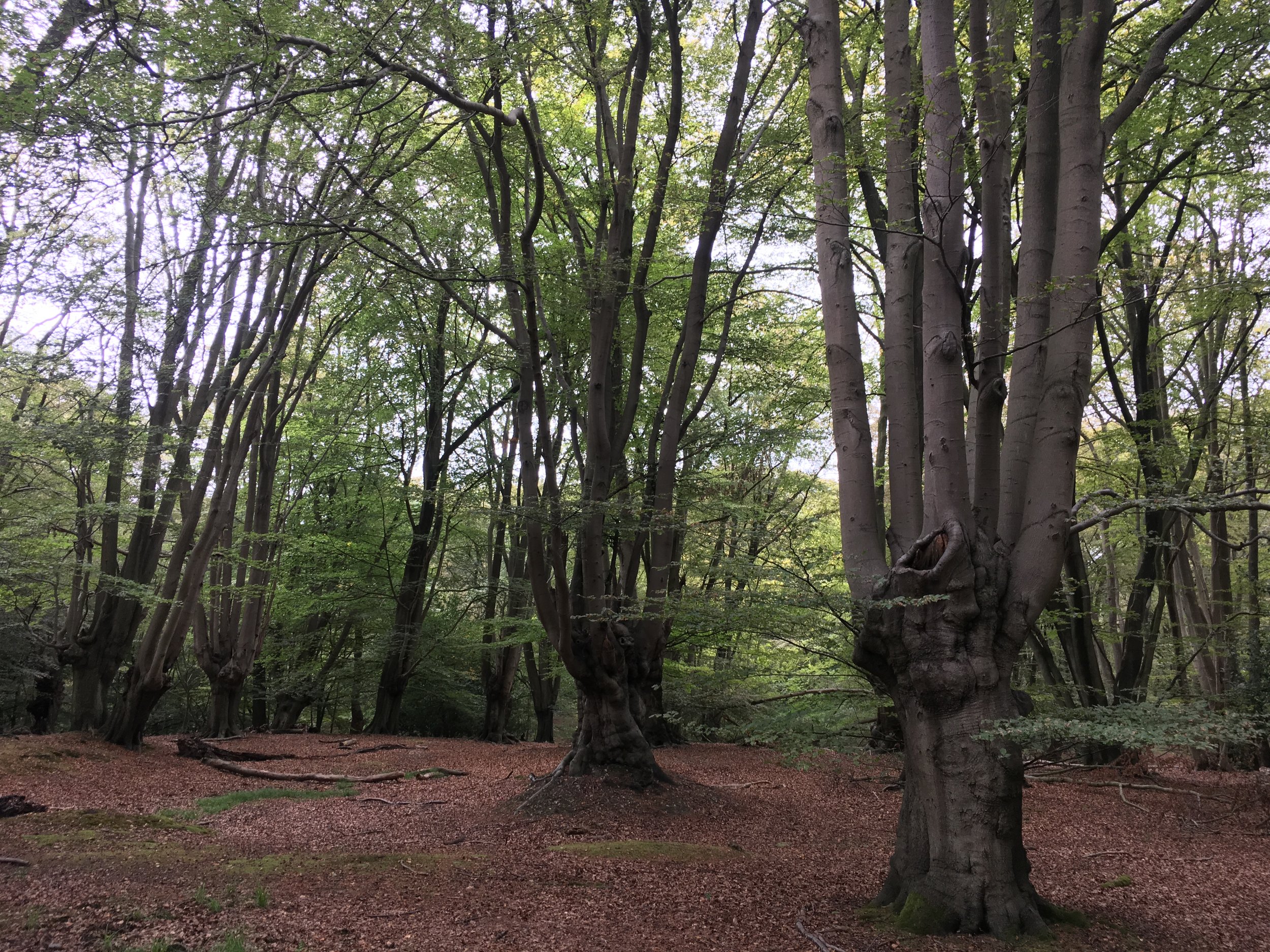
The Loughton Camp map, drawn by BH Cowper in the late 19th century was a graphic score waiting to happen, and the forest location is perfect for a bit of psychogeographic pondering. The hillfort has distinct archaeological features; the earthwork ditches and banks are still prominent, as are the entrances. Silt can be found in the soil where a spring used to be. Then there’s the folklore: the supposed location of Turpin’s cave and the strange form of old pollarded trees, lopped by the billhooks of 19th century ‘commoners’. All these layers of the past add to the spirit of the place today.
There’s a magical, hazy light that appears through the trees on the east side of the camp, and long shadows of branches that stretch claw-like along the forest floor. The colour palette is silver, bronze, brown and green, and the sounds are of aeroplanes, birds, children playing on their bikes and the distant hum of the M25. All of these things have been absorbed into Part II Ancient Earthworks. The graphic score is split into eight sections (From the ground – Shadow claws – Hazy light – Streamlet – Pollarded trees – Forest floor – Turpin – Into the ground) each with a different sound world that relates to a particular area of the camp.
There are two song extracts, no. 5 ‘Pollarded trees’ is a fragment taken from The Lopper and the Landgrabber and for Turpin’s Cave I’ve used the melody from folk song Turpin Hero. The work is written for electric violin and electric cello plus effects, and was recorded live in Epping Forest’s Queen Elizabeth’s Hunting Lodge in 2019.
New Single: The Lopper and the Landgrabber
From the album and Epping Forest sound installation Echoes: Unearthing Stories of the Forest
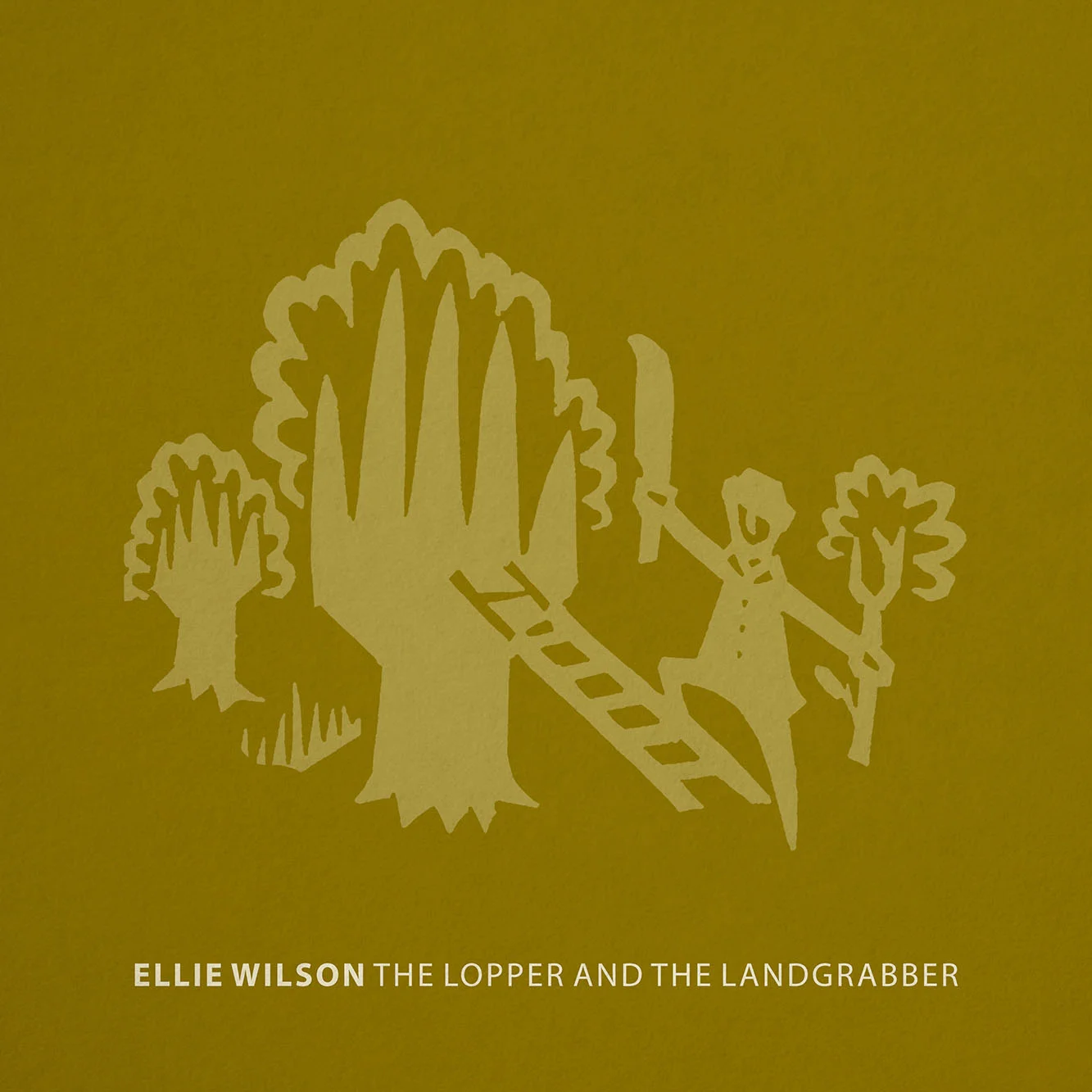
The Lopper and the Landgrabber is the first single from my album & sound installation Echoes: Unearthing Stories of the Forest, created during my artistic residency in Epping Forest. The song tells the story of how working-class activism helped save the forest from enclosure during the 19th century.
My main focus for the song is Thomas Willingale, a labourer from Loughton who continued to practise his ancient right of lopping trees in Epping Forest despite strong resistance from the Lord of the Manor. Thomas played an important role in saving Epping Forest and the Willingale story is a wonderful collection of fact and folklore, including court cases, prison sentences and devious plots. There is also a personal connection - he is my 5 x Great Uncle! The folk song’s title takes its name from a William Morris quote. He complained that “the grip of the land grabber is over us all; and commons and heaths of unmatched beauty and wildness have been enclosed for farmers or jerry-built upon by speculators in order to swell the ill-gotten revenues of some covetous aristocrat or greedy money-bag”. The first two verses and first line of the chorus are from poems The Mores and Remembrances by John Clare, who lived for some time at Fairmead House in High Beach, a private asylum run by Dr Matthew Allen. The ‘mind-forg’d manacles’ – a nod to William Blake’s London – are a call to remove the mental chains that restrict those that do not question injustice. You can read more over on my blog here.
I’m joined on this track by Thom Ashworth (vocals, bass, mandolin) and Fran Foote (vocals).
Enclosure came and trampled on the grave
Of labours rights and left the poor a slave
Each little tyrant with his little sign
Shows where man claims earth glows no more divine
It levelled every bush and tree and hill
Hung moles for traitors though the brook runs still
And birds and trees and flowers without a name
All sighed when lawless law’s enclosure came
Enclosure like a Bonaparte let not a thing remain
No rest until it’s torn apart, the landgrabbers’ claim
Old Tom made his living on the land
And at the stroke of midnight made his stand
He lopped a branch from winter’s leafless oak
To save the forest for the Common folk
Back to the inn he entered with the limb
And held it high before the crowd within
No Lord would part him from his ancient right
As he leapt the fence upon St Martin’s Night
The lords and ladies take what’s yours and mine
But lop a branch and you shall do the time
You’ll pick the tarry oakums, tread the mill
For gathering fuel to beat the winter’s chill
Remove those mind-forged manacles and see
The forest’s fate depends on you and me
And beauty all around you’ll never lack
Cos in the end we’ll go and steal it back
Echoes: Unearthing Stories from the Forest is available to order now.
The sound installation runs from 12.11.2019 – 05.01.2020
The View Visitor Centre, Chingford, Epping Forest (FREE - just turn up!)

Sound Installation: Echoes
The sound installation runs from 12.11.2019 – 05.01.2020 The View Visitor Centre, Chingford, Epping Forest
(FREE - just turn up!) Open 10am-5pm Tuesdays-Sundays
EXTENDED RUN
Moves to High Beach Visitor Centre, Loughton from 16.01.2020 - 01.03.2020
The sound installation runs from 12.11.2019 – 05.01.2020
The View Visitor Centre, Chingford, Epping Forest
(FREE - just turn up!) Open 10am-5pm Tuesdays-Sundays
CDs and posters available to purchase in The View gift shop.
Come and experience my new work Echoes: Unearthing Stories of the Forest as a sound installation in Epping Forest. Just pick up a some headphones and a leaflet from The View Visitor Centre. There’s no correct way to experience this sound installation. You can wander around the museum and stop off at the displays that relate to the tracks, you can take the headphones to the Queen Elizabeth’s Hunting Lodge (opposite The View) or, if you’d prefer, go outside and listen to the music on Chingford Plain.
This collection of new compositions is inspired by the human impact on Epping Forest through the centuries: Iron-Age hillforts, WWII bomb craters that are now ponds, and her ancestor Thomas Willingale – a local labourer who helped save the forest during the 19th century enclosure movement.
A mixture of contemporary classical, folk, and electronica, creating a haunting, textural soundworld that explores themes of lost and fragmented memories, lingering traces of the past and the spirit of place. Echoes includes a self-penned folk song, field recordings, and a graphic score based on a map of Iron-Age Loughton Camp.
This project is linked to the Waltham Forest London Borough of Culture season The People’s Forest, curated by Luke Turner and Kirsteen McNish, and will be a sound installation in Epping Forest.
Guest musicians: Thom Ashworth, Jo Quail (MONO, Poppy Ackroyd), Jay Chakravorty (Bryde, Emma McGrath), Fran Foote (Belinda Kempster & Fran Foote, Stick In the Wheel), and members of The Middlesex Yeomanry Concert Band.


A walk along the River Ching
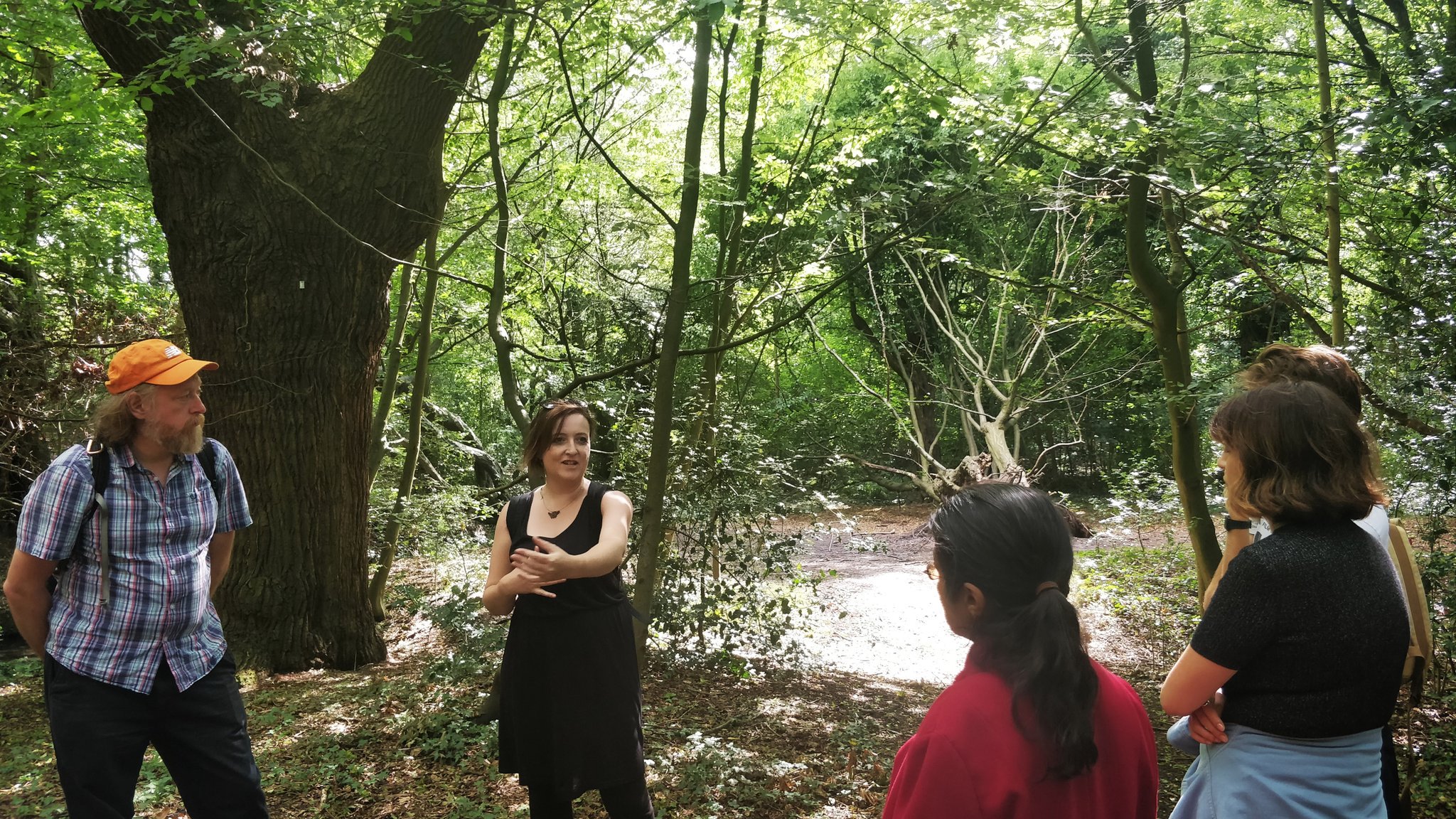
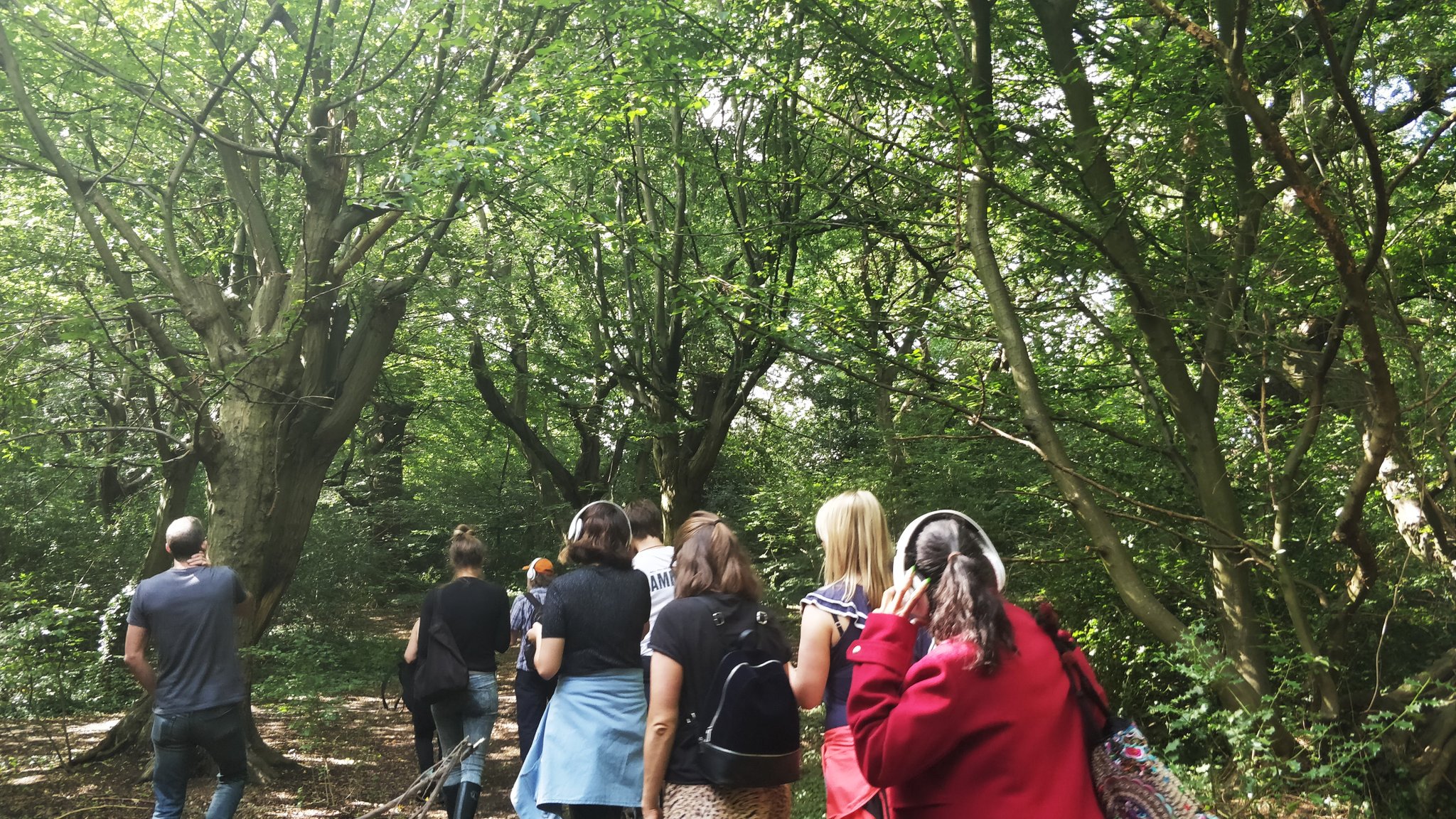
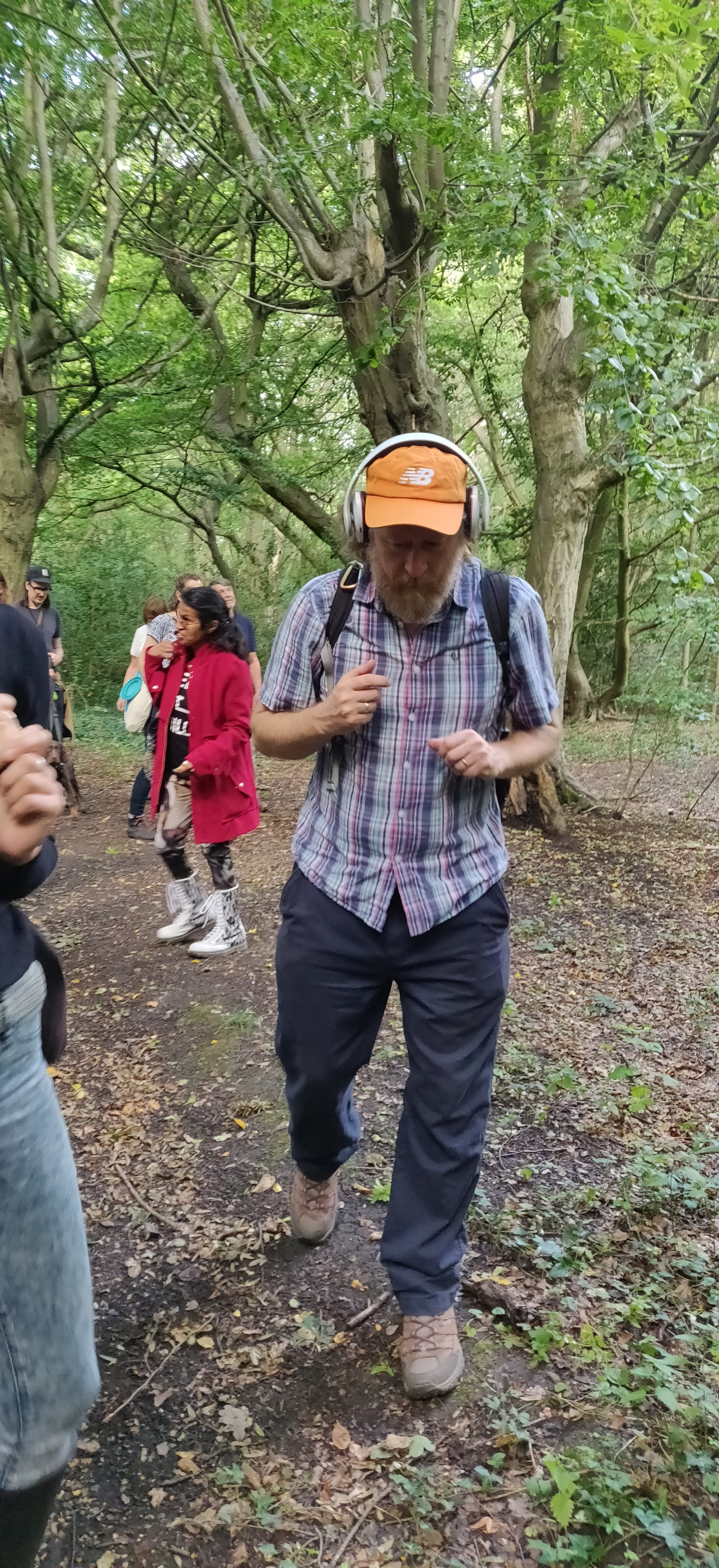
I joined writer and filmmaker John Rogers for a walk along the River Ching.

The source of the River Ching comes out of the lake at Connaught Water.
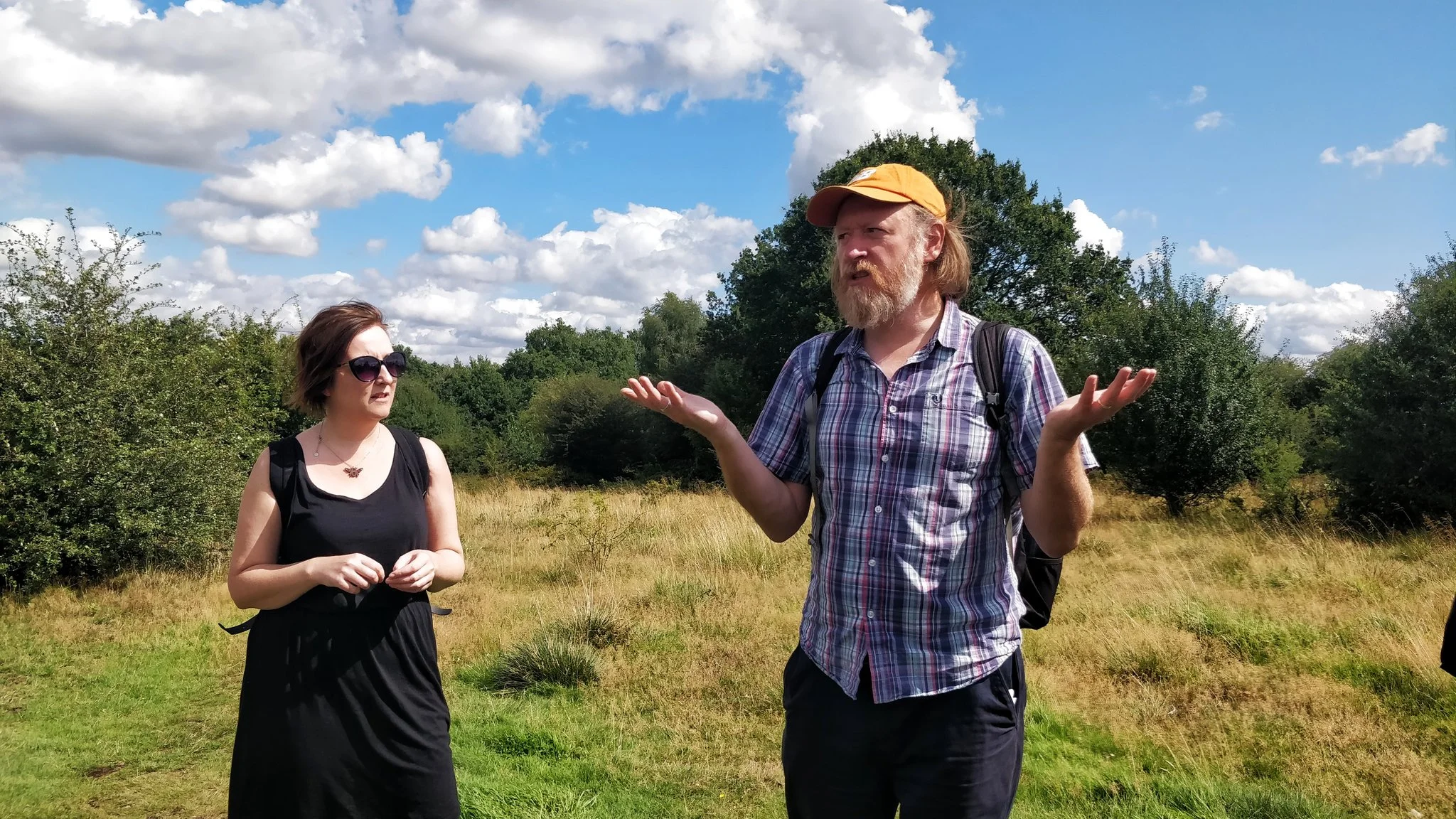
Last weekend I joined John Rogers on a walk along the River Ching - a small, meandering river that starts at Connaught Water in Epping Forest and joins the River Lea near the North Circular, north of Banbury Reservoir. The Ching has always been a part of my life. My family home in Highams Park is close by, and my walk to Primary School (Oakhill) often involved paddling in it or playing pooh sticks on the bridge at Brookfield path.
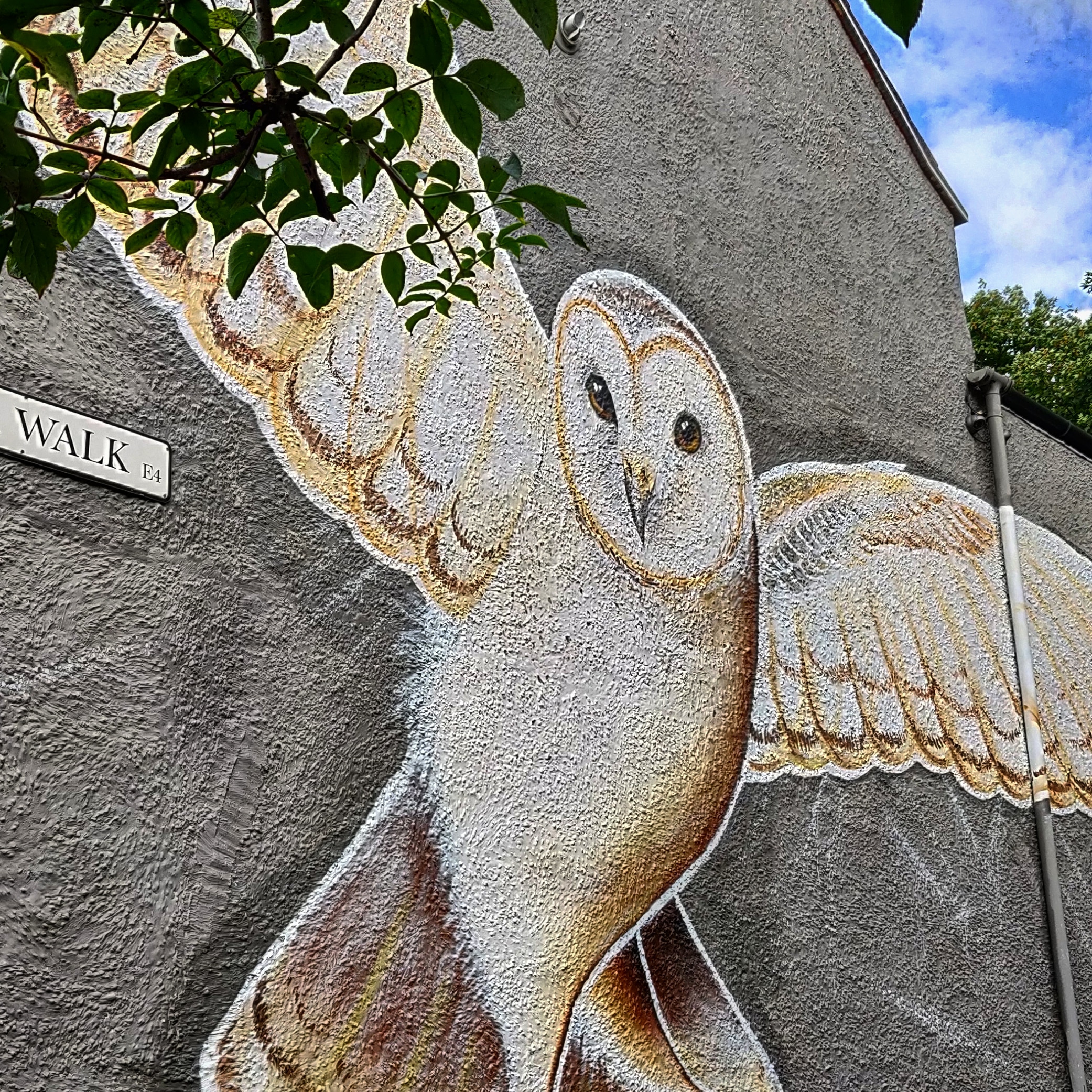
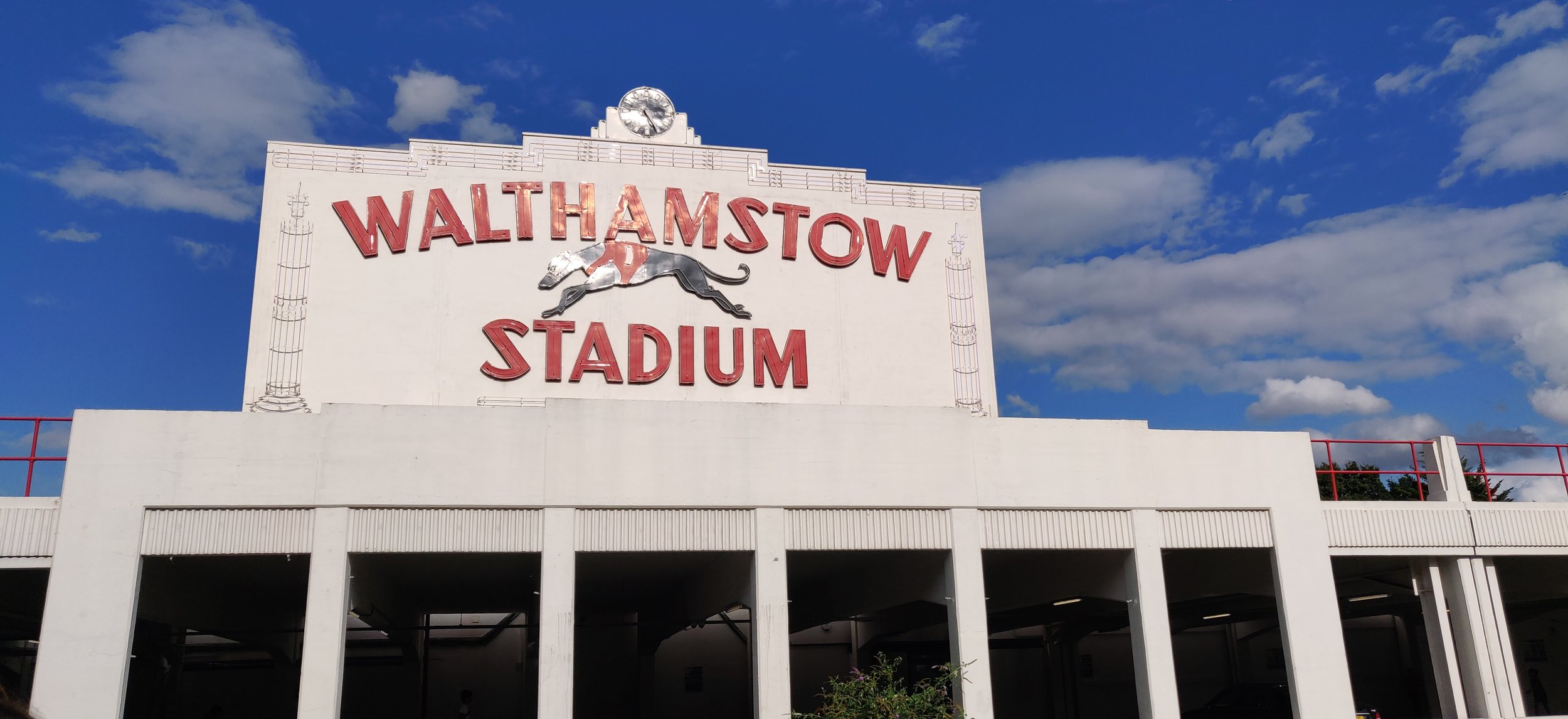
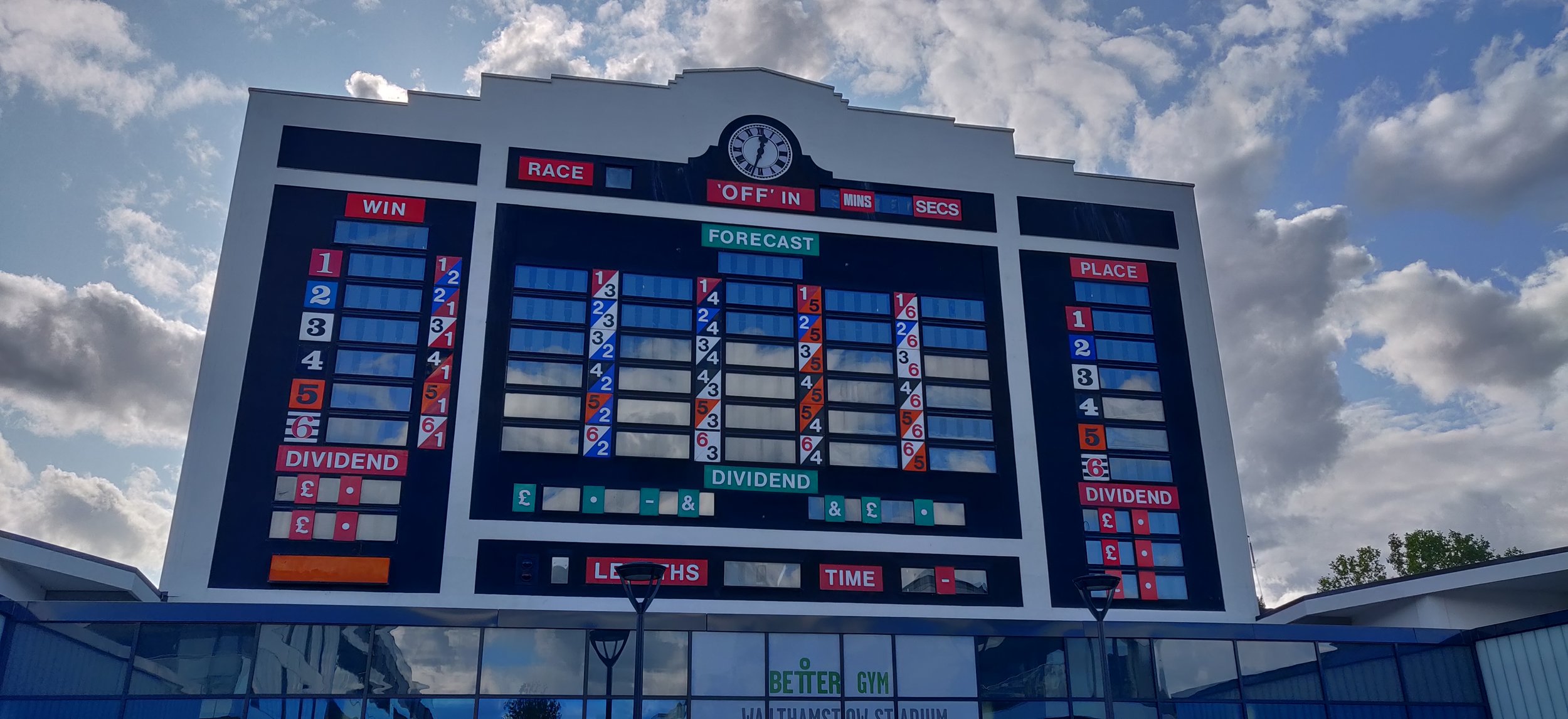
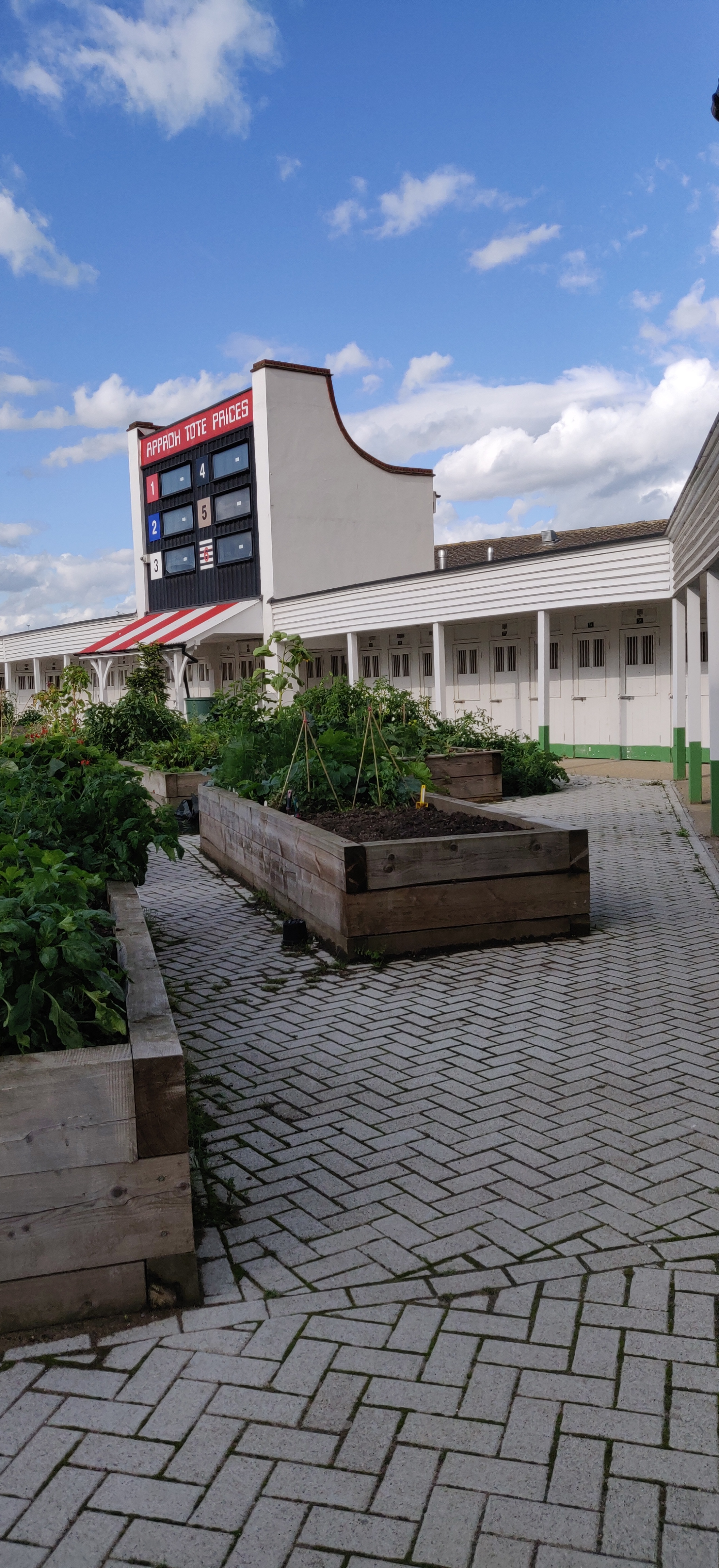
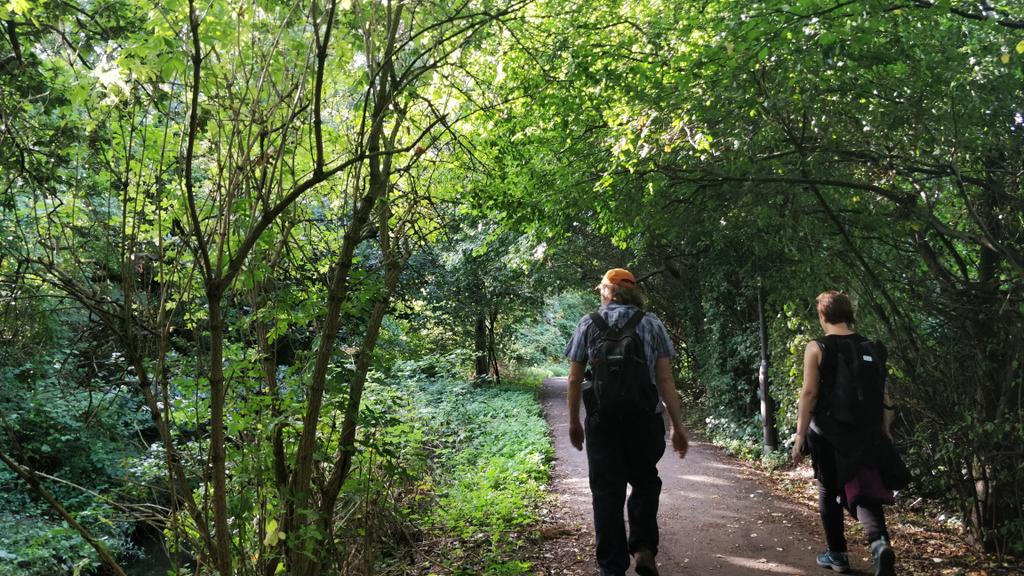
There were familiar sights and a few surprises on the 3-hour walk. Below are some photos - with thanks to Liz Daly from Waltham Forest London Borough of Culture for a few of these!
Check out John’s website, especially his excellent YouTube videos exploring areas of London.

Composer for Shakespeare's Globe
Super excited to composing for Richard III & Henry VI at Shakespeare’s Globe.
“Why, what is pomp, rule, reign, but earth and dust?
And, live we how we can, yet die we must”
I’m super excited to be working with the incredible Shakespeare’s Globe as composer for Richard III & Henry VI, directed by Sean Holmes and Ilinca Radulian.
All three parts of Henry VI have been condensed into one epic production and will present the Wars of the Roses like you’ve never seen them before, and the menacing and bloody Richard III concludes Shakespeare's first tetralogy.
I will be writing music and performing the music. The run is from 21 November 2019 – 26 January 2020 in the Sam Wanamaker Playhouse. Tickets here: Henry VI & Richard III


“Now is the winter of our discontent
Made glorious summer by this sun of York”

Epping Forest: Sanctuary and Scars
The third in a series of blogs exploring the history of Epping Forest.
Think of a forest, especially at night, and an uneasiness tends to come over you – it might be the fear of getting lost, wild animals, the bogey man. It’s primeval instinct and a horror movie cliché. There’s even a name for it: Nyctohylophobia.
Epping Forest is a sprawling ancient woodland with many legends and folktales attached, but it also has a legacy of providing people with a safe place, of sanctuary and escape.
The Iron-Age Loughton and Ambresbury Camps that I wrote about in a previous blog are believed to be settlements used during times of conflict between neighbouring tribes. Other examples are Londoners who fled to the shelter of the forest during the Great Plague and Great Fire (1665-1666), and Fairmead House in High Beech, a private asylum run by Dr Matthew Allen. Outdoor activities such as working or walking in the forest were among the methods used to treat some of his patients, including the poet John Clare during the mid 1800s.
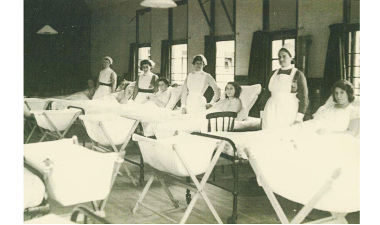
Maternity Ward in High Beech, Epping Forest during WWII
The building that now stands on the asylum plot has always been called Suntrap, and was erected in 1894 for Harold Baring (of the Barings Bank family). It is now a forest education centre for London school kids, which I attended with great excitement during the 1980s. But it was originally a convalescent home for children from the East End with TB, and then during World War II Plaistow hospital moved its maternity ward to High Beech so that East End mothers could give birth in peace and safety. They would travel up a few days before their due date and camp outside until a bed was free. Many families were made homeless or feared for their lives. Some camped in Epping Forest to escape the intensity of bombing on London during the Blitz.

Bomb pond at Fairmead, Epping Forest
The impact of WWII on the forest is still visible today. There are barrage balloon tethers on Wanstead Flats and concrete floors of Nissen huts in High Beech, which housed German and Italian prisoners of war. Although many of the 100 ponds in Epping Forest are gravel pits or ornamental ponds, some are craters formed by V2 bombs. There’s a number of bomb ponds between Fairmead Road (now a forest pathway) and Epping New Road.
Epping Forest hasn’t been an entirely natural landscape since Neolithic times; we’ve created wood pastures and grazed our livestock, built settlements, made a royal forest for hunting, and left the scars of fallen bombs. Whether we tend or destroy, we have been shaping it for centuries.
Interactive map of where bombs fell on London during the Blitz.

Living Symphonies
Epic project, composed and realised by James Bulley and Daniel Jones.

Recording at Goldsmiths UoL
Living Symphonies is a musical composition and installation that grows in the same way as a forest ecosystem. Each species found in the forest is depicted by a unique set of musical motifs, and for this installation composers James Bulley and Daniel Jones invited me to record parts they had written depicting grass, butterfly and falcon. You can hear it 20- 28 July via a network of speakers hidden in the forest near Chingford Plain.
For more information visit #wfculture
Here’s a video from a similar installation James and Daniel did a few year’s ago.
Living Symphonies is taking place in Epping Forest as part of London National Park City Festival and Waltham Forest Borough of Culture.
It is completely free to visit, and is open from 11am to 8pm, from 20-28 July.
It is located within the Chingford Plain region of the forest, at the below map location. 51°38’25.9″N 0°00’54.7″E
Nearest station is Chingford on the Overground. There are also a number of forest carparks.

Support from the PRS Foundation
My Epping Forest project ‘Echoes’ has been awarded a grant from the PRS Foundation.
It’s just been announced that my project Echoes: unearthing stories of the forest has been awarded a grant from the PRS Foundation’s Open Fund. I’m delighted, and already at work recording the new compositions I have written in response to the forest’s wonderfully evocative human history.
This support enables me to bring all my ideas to life. The work will be a sound installation at Epping Forest’s Visitor Centre, The View, from 12 November 2019 - 5 January 2020 (free entry) and will be released as an album. There will also be education work with local school children that relates to my project - I can’t wait to see their creations!
More info on its way soon ..

Ellie Wilson is supported by PRS Foundation’s Open Fund

Enclosure and saving Epping Forest
The fight of early conservationists and their allies to keep the forest for the people.
“Enclosure came and trampled on the grave, Of labours rights and left the poor a slave”
The story of how Epping Forest was saved is a complex campaign involving ancient laws and modern politicians, well-connected socialists, corporations, early conservationists and working-class activism.
Between 1760 and 1870, about 7 million acres (one sixth the area of England) was converted from shared common land to ‘profitable’ fenced off, private land. Enclosure was not a new problem, but the rate at which it advanced during this time forced many of the rural poor, who relied on common pastures for grazing animals and growing food, to flee to cities (particularly London) to find work, resulting in overcrowding and desperate living conditions as the demand for work outweighed need.
Enclosure didn’t just divide our land, it introduced a chasm in our social class system, and was an early glimpse of capitalism as we know it today.
Epping Forest & Enclosure
A new train line from London to Loughton was built during the mid-1800s, and later a line to Chingford, making it easy for Londoners to visit Epping Forest. Nicknamed the ‘cockney paradise’, there were donkey rides and retreats selling food and drink (Butler’s Retreat still exists as a cafe today). This in turn made owning land in the area more desirable.
By the early 1870s more than half of Epping Forest had been enclosed. It must have been a bitter irony for people who had been forced to move from countryside to city, only to have enclosure take away their respite from the dirty, crowded slums of the East End.
“... the grip of the land grabber is over us all; and commons and heaths of unmatched beauty and wildness have been enclosed for farmers or jerry-built upon by speculators in order to swell the illgotten revenues of some covetous aristocrat or greedy money-bag”
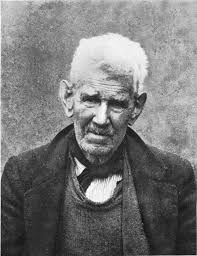
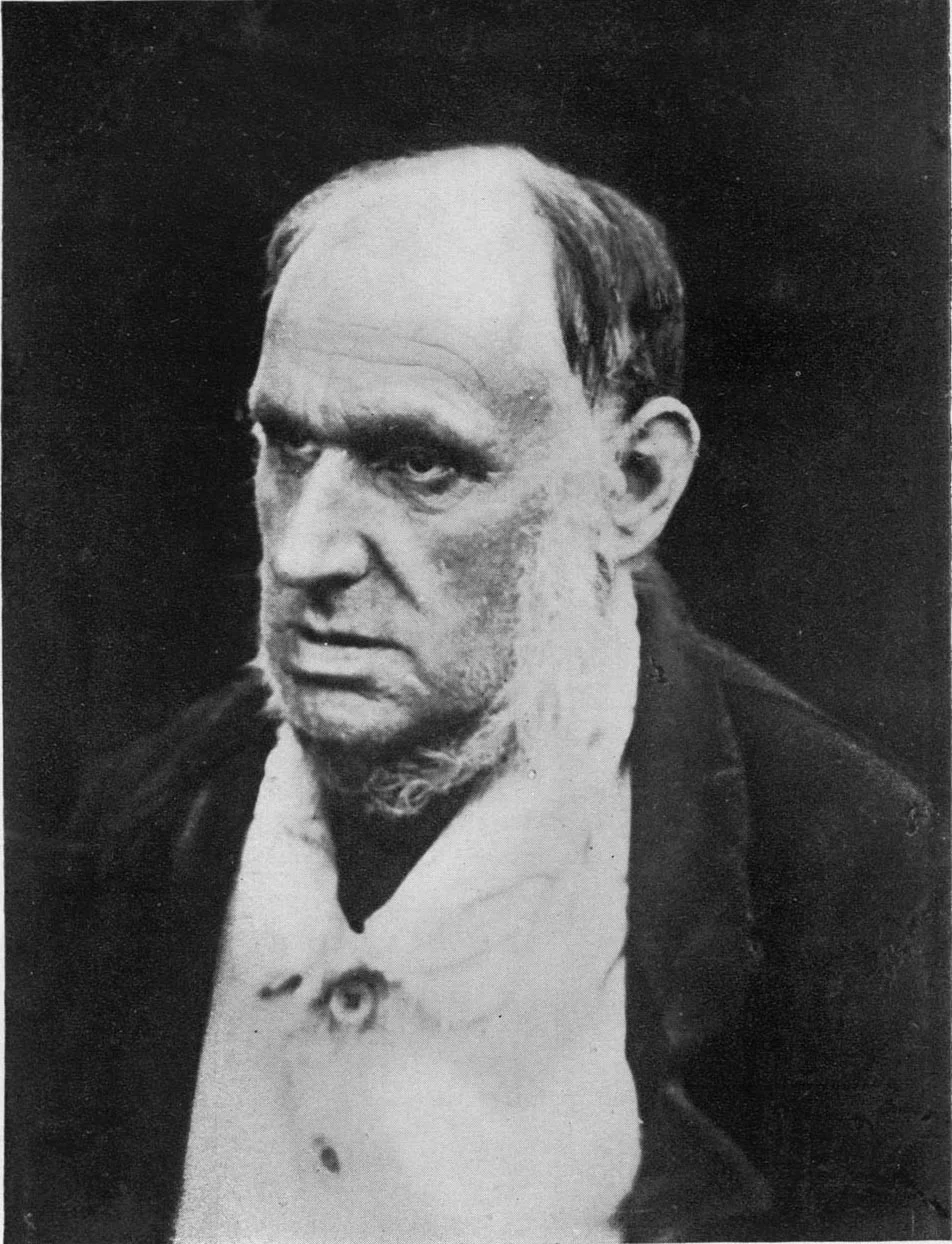
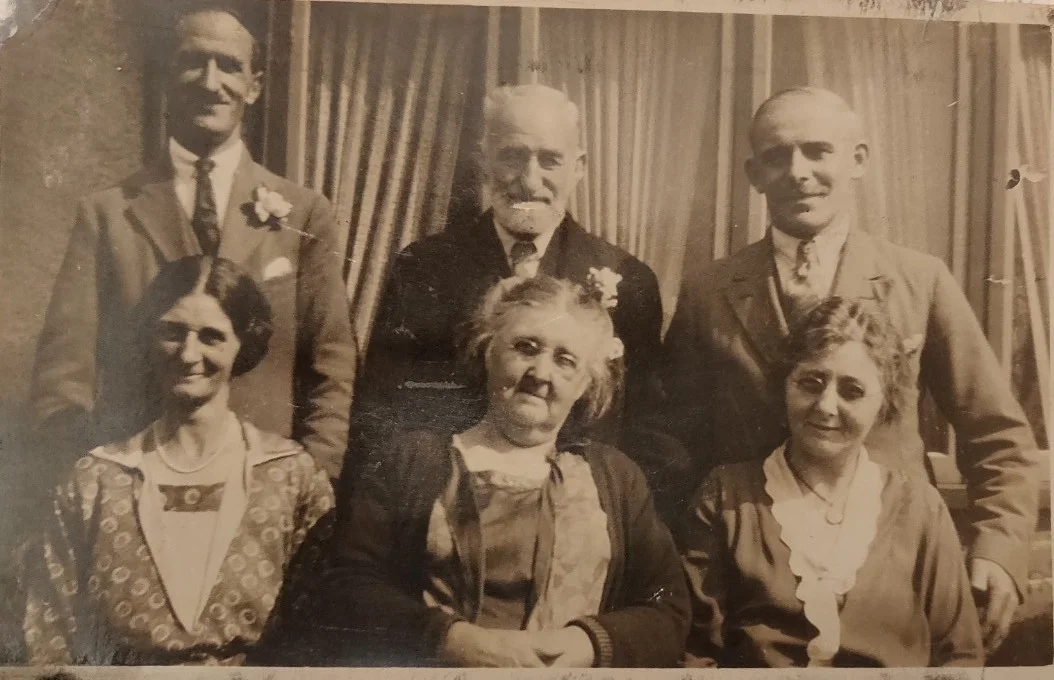
Thomas Willingale, a labourer from Loughton, played an important role in saving Epping Forest. It is his story – a wonderful collection of fact and folklore – that I want to focus on, not just because of my personal link to him (he is my 5 x Great Uncle) but because I was struck by the attitude to social class in the 1800s. Thomas is mocked in publications and media from the time; in some historical accounts his activism is totally erased, or he is referred to in passing, not by name but as a ‘common illiterate labourer’.
“These forests, so near the Metropolis are well known to be the nursery and resort of the most idle and profligate of men … those who object to the plans to enclose the Forest are seen as not only unpatriotic but to be condemning ‘the paupers’ offspring’ to a life of crime whereby they can only end on the gallows”
Epping Forest belonged to the Crown from the 12th century, and commoners were permitted to lop branches seven feet or more from the ground between 12 November and 23 April to use as firewood. This technique, called pollarding, leaves the lower branches for deer to feed on. Thomas believed that to retain this right lopping needed to start before midnight on the 11 November (St Martin’s Day), or else they would lose their ancient rights for ever. This was celebrated annually on Staples Hill, in Loughton with bonfires, torches and beer!
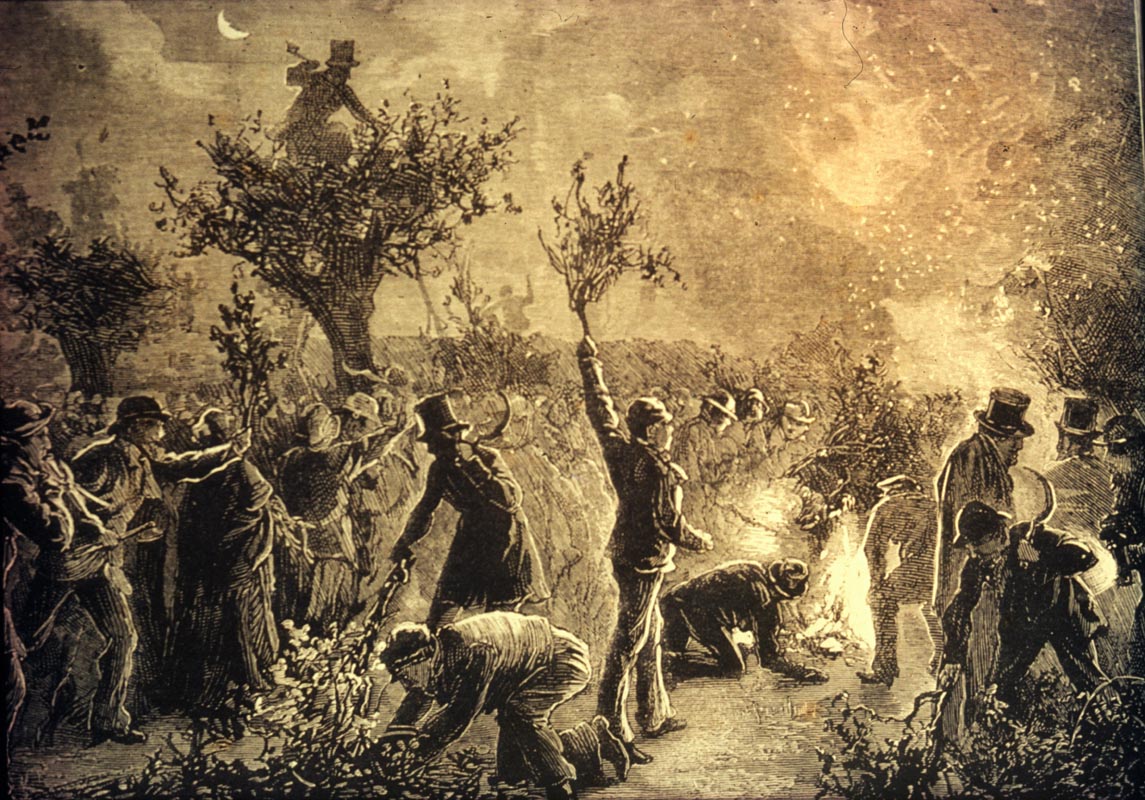
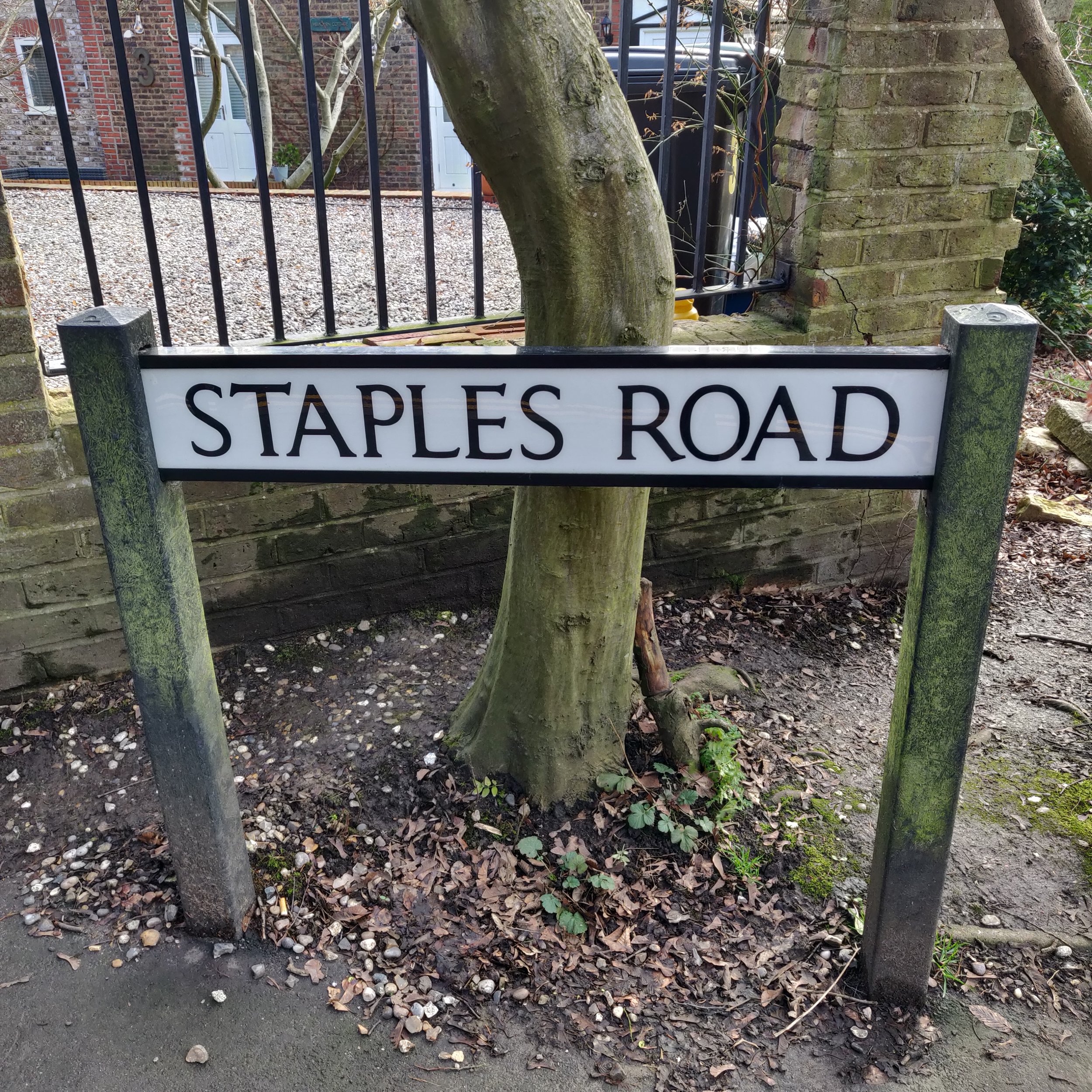
Staples Hill lopping celebrations, 11 November.
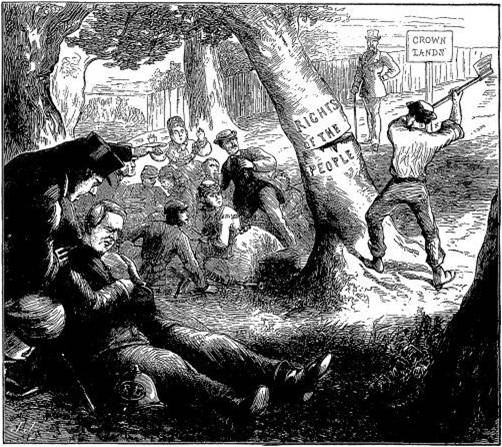
Reverend Maitland, Lord of the Manor in the Loughton area, had fenced off 1,316 acres of forest and had started construction of buildings and roads. For 16 years Thomas defied Maitland, ignored the fences and continued to lop the trees. Maitland tried all means to stop him; he offered large sums of money and issued a summons against Thomas to win possession of his cottage but ‘Old Tom’ stood his ground.

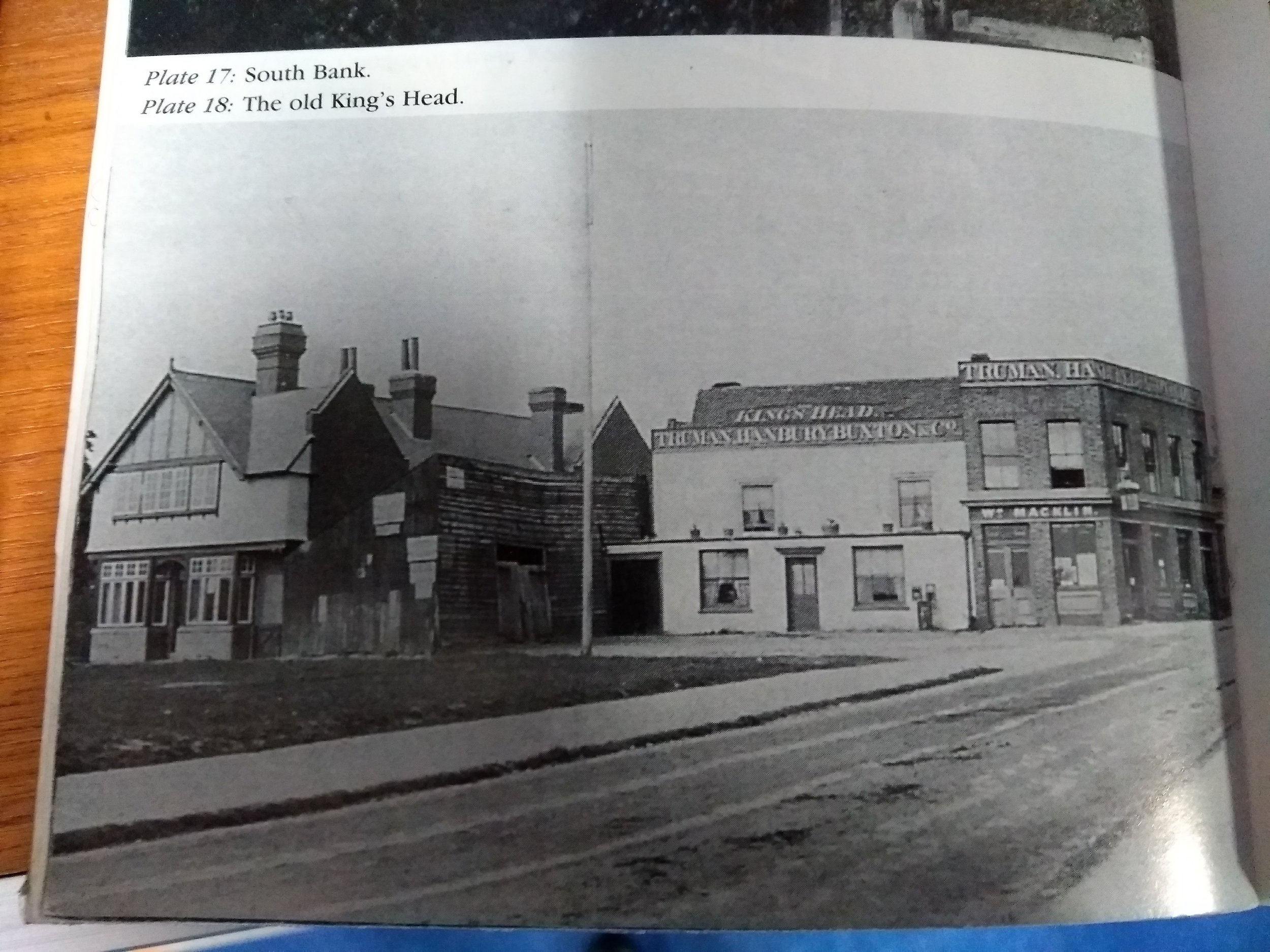
One of Maitland’s most devious plots was on 11 November 1859, when it is said he laid on food and beer for the local loppers at the King’s Head in Loughton. He had hoped to get them all drunk so that they forgot to go out before midnight to start lopping, thereby forfeiting their rights forever. Thomas wasn’t stupid, he enjoyed the refreshments and went out just before midnight, returning with the branch to present to Maitland at the pub.
Is this true? No one is really sure. I like to think it happened – it’s wonderfully evocative, and a perfect story to be made into a folk song. Watch this space! (Edit: ‘The Lopper and the Landgrabber’ on my Epping Forest themed album)
The conflict continued, and in 1866 Thomas’ son Samuel and his two cousins Alfred Willingale and William Higgins were in court for “injuring trees and stealing wood”. They were fined a small amount but refused to pay it and ended up in Ilford Jail to do seven days hard labour.
The enclosure movement was now a concern of the more affluent socialists of the time. The Commons Preservation Society was set up to protect public rights of way and common land and early members included Octavia Hill (who went on to found the National Trust), William Morris, Edward Buxton and Lord Elversley. They got wind of the Willingales’ story and felt it might help save Epping Forest. They gave Thomas £1000 to fight his case.
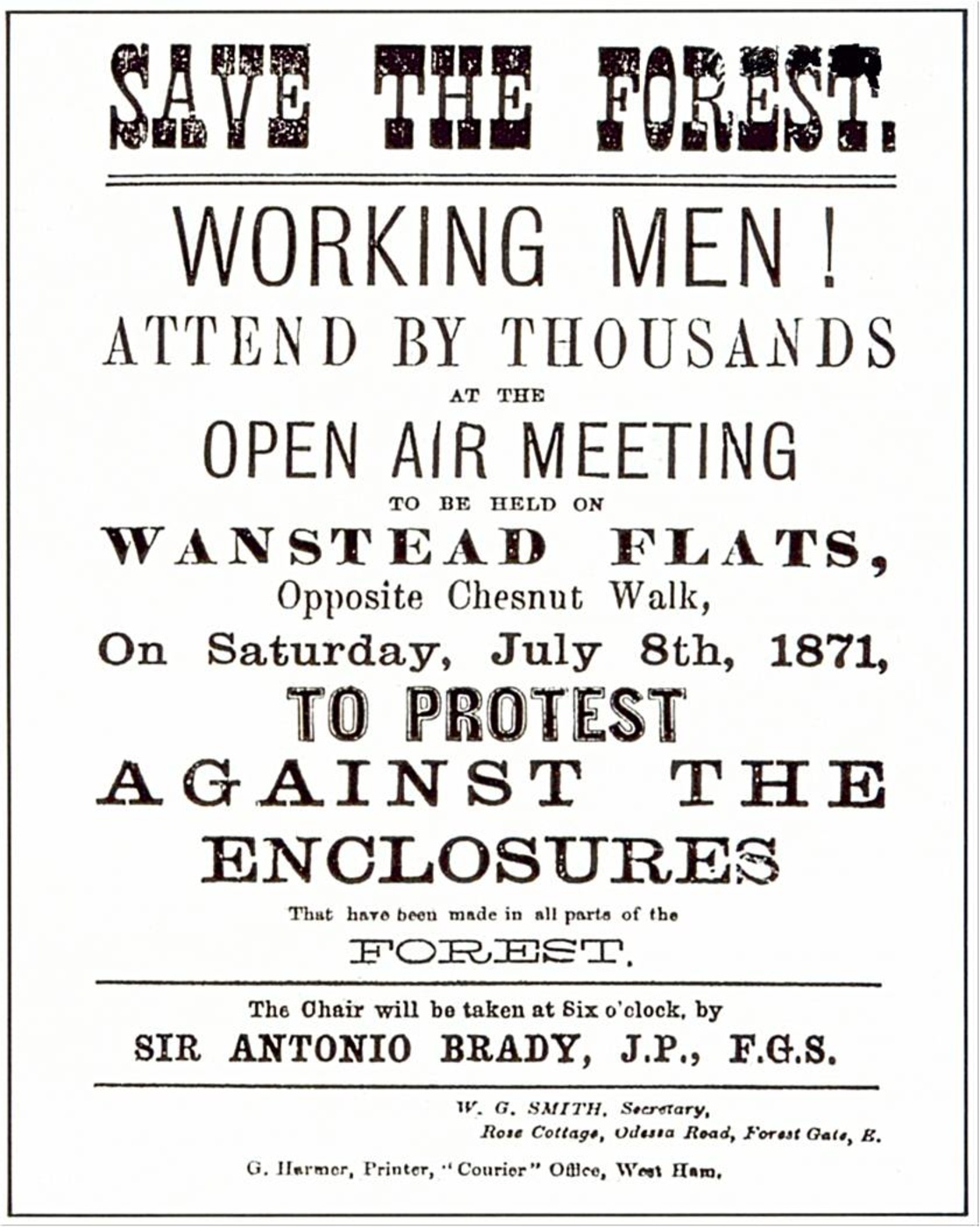
In July 1871 there was a mass demonstration on Wanstead Flats. This was a key moment and local campaigners rallied troops from the East End. The demonstrations were critical of the government and resulted in fences being torn down. It reached national news, and William Gladstone’s government, not keen on the bad press, rushed through the first of a series of acts prohibiting further enclosures while the case was investigated.
The Lords of the Manor wrongly assumed that when they bought the land from the Crown it eradicated any rights the commoners had. It wasn’t as clear cut as that, and a long and costly legal battle began. Thomas died in 1870 before the case was heard, but the process had stalled enclosure for four years, giving solicitors time to look into the history of the area and consult the Rolls of the Manor.
The City of London Corporation, which had recently bought land for a cemetery in Wanstead to which common rights were attached, stepped in to conclude the fight, and the Epping Forest Act was put in place in 1878. The forest is still managed by the City of London and protected in perpetuity for the recreation and enjoyment of visitors.
You’re no longer allowed to lop trees in Epping Forest, but grazing rights are still permitted. I remember a few occasions when I was a kid when cows went ‘off piste’ and walked down my street in Highams Park. A bizarre sight amongst the parked cars.
Epping Forest facts:
The Forest covers around 6000 acres – equivalent to over 3,300 football pitches
It has over one million trees, some of which are up to 1,000 years old – including 50,000 ancient pollards of Beech, Hornbeam and Oak.
It is thought that for every 100 trees lopped in the forest, 80 were by a Willingale.